Veteran-owned tree service · Austin area24/7 tree emergency: (512) 387-2671
Iron Branch Tree Services Request an assessment
Menu
Services
Service areasReviewsOur standardContactRequest an assessment
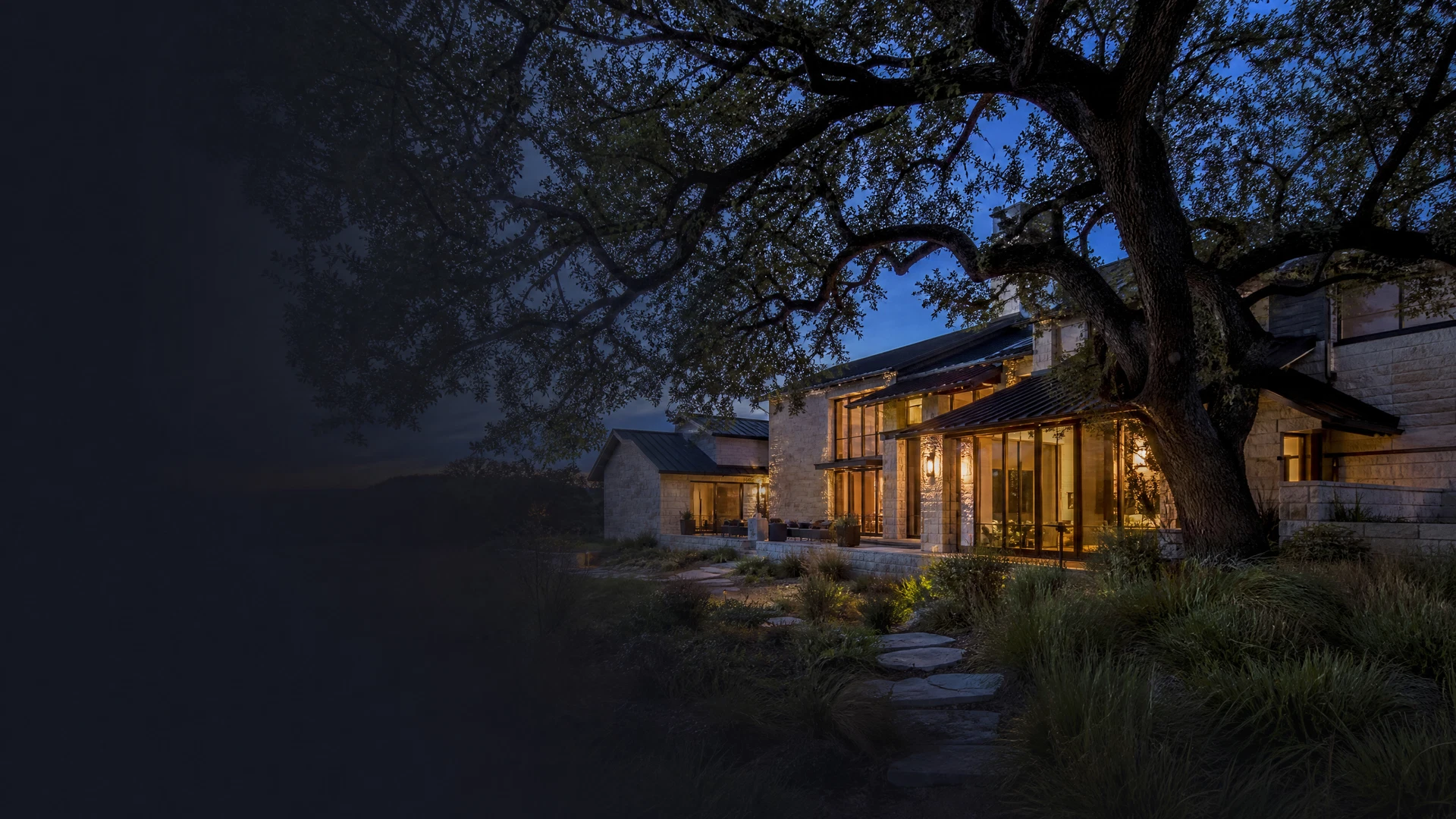
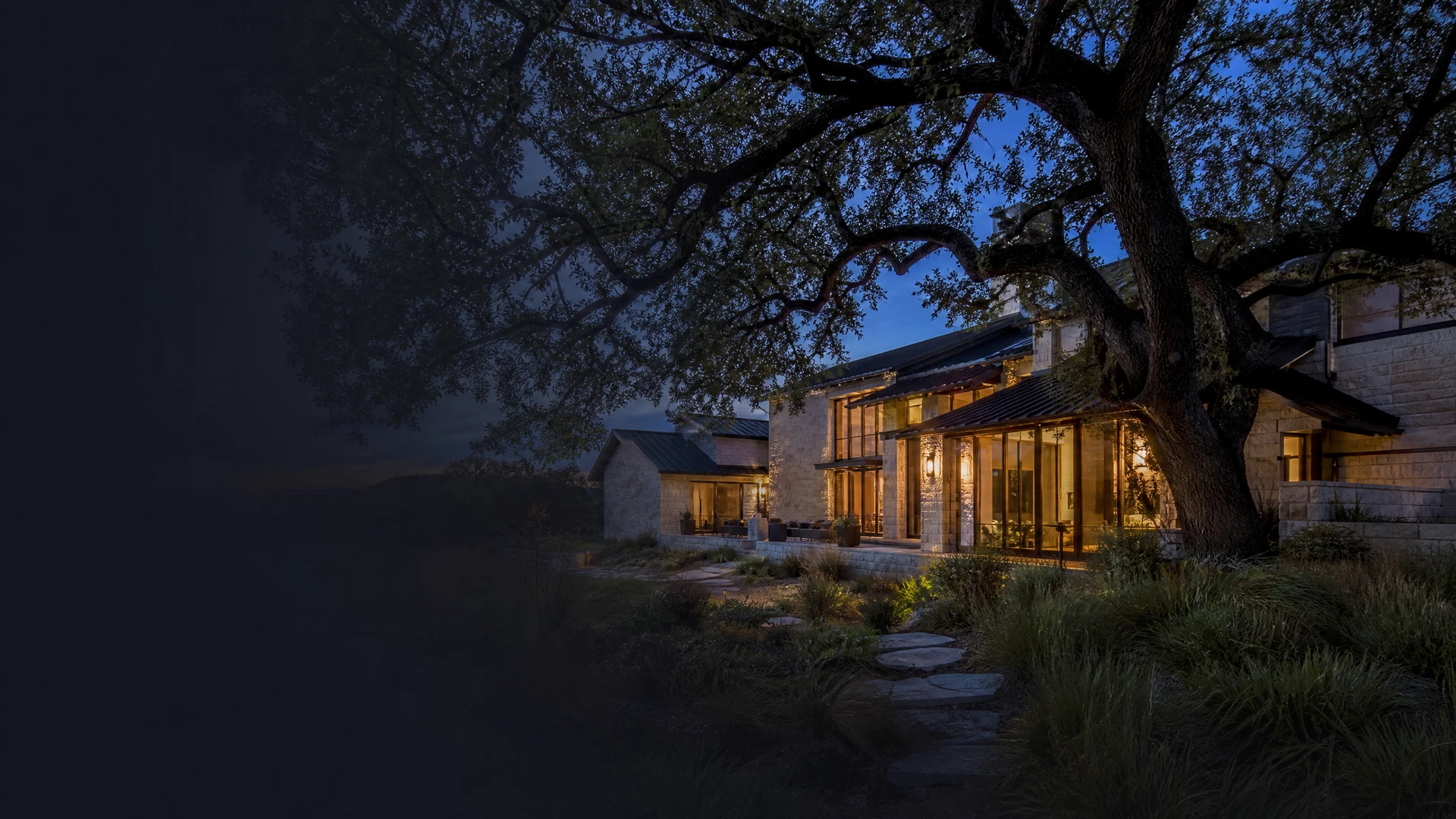
Illustrative storm-damaged residential tree setting in Central Texas

Round Rock emergency tree response

Emergency tree response in Round Rock.

Storm triage, fallen-tree removal, structure protection and utility coordination tailored to Round Rock's clay soils, limestone edges, and neighborhood patterns. Call (512) 387-2671 to request a written quote or for urgent advice.

Round Rock / service guide

A property guide for round rock / service guide frames the questions that shape access, protection, timing, and the intended finish before a written scope.

01

What we handle and why Round Rock conditions matter

Round Rock properties sit on Blackland clay with pockets of limestone-edge soil. That combination affects root anchorage: trees on the clay swell and shrink through drought and heavy rain, and those along limestone edges can have shallow anchoring. Live oaks, cedar elms, pecans and hackberries are common here and respond differently to wind, hail and saturated soils. That matters for how we approach a fallen or unstable tree.

Established neighborhoods and newer subdivisions bring different access and regulatory challenges. Tight driveways, fences and overhanging limbs near houses change the sequence of work; new subdivisions may have narrower streets or construction debris to work around. Before we cut, we account for soil behavior, tree species, and property layout so our initial actions protect structures and reduce the chance of secondary failures.

Illustrative Central Texas residential tree and property detail
Illustrative Round Rock site study — access and protection are planned before equipment arrives.

The work, in order

A controlled sequence from assessment to close

01

Call and initial safety triage

Phone (512) 387-2671 for urgent situations. We gather location details and hazard information, then dispatch a crew if conditions allow. If power lines are involved, we contact Oncor and wait for clearance before any cutting near conductors.

02

On-site assessment and cordon

Crew assesses soil, tree species, and structure risk; sets perimeter and traffic control; documents conditions for insurance and permits. Triage cuts are limited to what’s needed to remove imminent danger.

03

Stabilize, segment, and clear access

We make controlled cuts, use rigging and winches where needed, and clear a safe path for residents and emergency vehicles. Stabilization measures are temporary; permanent fixes are quoted separately.

04

Cleanup, haul, and documentation

After removing immediate hazards we clear debris as the situation allows, collect photos and written notes, and advise on permit steps. You can request a written quote for complete removal, stump work, or long-term repairs.

05

Follow-up coordination

If utility work, permits, or contractor repairs are needed, we provide the documentation and help coordinate access. We recommend confirming current city permit rules through the Round Rock residential tree-removal portal before scheduling non-emergency work.

Illustrative Central Texas residential tree and property detail

Property note

The property in context

A service becomes a real scope only when the tree is considered alongside the property, circulation, structures, protection, and material plan.

02

24/7 storm triage: assessment, cordon, and priority work

We offer around-the-clock triage to identify immediate hazards: trees leaning into homes, trunks on cars, or branches blocking traffic. The first step on arrival is a safety assessment and perimeter cordon to keep residents and neighbors out of the danger zone. On many Round Rock streets, we need to secure lanes and coordinate with emergency services if a public road is blocked.

Triage focuses on stopping a situation from getting worse. That means removing tensioned limbs that threaten structures, adding temporary supports, and making targeted cuts to relieve weight. These are purpose-driven, conservative cuts meant to stabilize—not a full cleanup. After the scene is safe, we document conditions and outline follow-up work.

03

Fallen trees and blocked access: sequencing the removal

When a tree blocks a driveway, road, or egress, the priority is clearing a safe path. We segment large trunks so lanes or driveways can be reopened, then remove hanging limbs that pose immediate risk. For trees on or against a house, we stabilize any shifted pieces before removing remaining sections to minimize further damage.

Access, property features, and soil conditions determine how we stage equipment. On compact clay lots we limit heavy machinery near foundations; on limestone-edge terrain we use winches and controlled cuts to avoid destabilizing the remaining root mass. Every operation starts with a plan to prevent additional structural or root damage.

Illustrative Central Texas residential tree and property detail
Illustrative residential setting — controlled tree work protects the ground, structures, and circulation around it.

04

Protecting structures and stabilization tactics

If a tree has struck a roof, porch, or fence, temporary shoring and protective tarping are part of immediate care. Crews can remove threatening segments and install temporary supports to keep a compromised structure from collapsing while you arrange repairs. We describe the limits of emergency work: shoring is interim, and permanent repair requires building contractors and roofers.

Stabilization on site can include guying or bracing remaining trunks, cutting back levered branches, and removing weight from uprooted root plates. Where roots are pulled on Blackland clay, we document uplifted soil and recommend further mitigation measures—such as grading or structural inspection—before replanting or major landscaping work.

05

Utility boundaries, electrical safety, and Oncor coordination

When trees fall on or near power lines, safety is non-negotiable: work on energized lines belongs to the utility. In Round Rock we coordinate with Oncor and will call them immediately if a line is involved. Our crew will secure the area, keep people back, and stay in communication with utility responders; we do not attempt to move or cut anything touching a live conductor.

If the hazard is near a service drop or conduit, we document conditions and assist Oncor with access. For other utilities—gas, water, telecom—we notify the respective utility provider as needed. Part of our documentation process is recording exact locations and conditions so utilities and permit reviewers have the information they need to act safely and quickly.

06

Cleanup, documentation, permits, and scope drivers

After stabilization and any life-safety removals, we follow with cleanup and a full record of the event. That includes photos, descriptions of unsafe conditions, what we removed, and recommended next steps. This documentation is useful for insurance claims and for the city’s residential tree-removal permit portal—confirm current permit requirements for your address before scheduled removals.

Cost drivers in Round Rock emergencies are clear: tree size and weight, proximity to structures and utilities, site access, required permits or utility coordination, and disposal logistics. Emergency work is priced differently from planned removals because of the risk, logistics, and overtime. If further mitigation or full removal is required, you can request a written quote for the follow-up scope and cost once the scene is safe and documented.

From the property owner

“James was knowledgeable and thorough with the best approach to preserve the trees during the hot Summer months. Great job!”
5.0 Google rating / 97 reviewsLarry AlonzoRead verified reviews

Considered answers

Straight answers about Round Rock

Do you cut trees that are touching power lines?

No. Work on energized lines belongs to the utility. If a tree is touching or leaning on power lines in Round Rock we secure the site and contact Oncor. We coordinate access and follow Oncor’s direction; once lines are de-energized or the utility provides clearance, we can proceed with removal work.

Will I need a permit from the city of Round Rock?

Possibly. The city maintains a residential tree-removal portal with current permit requirements; those requirements depend on species, tree size, and location. For emergency life-safety removals there are different procedures—document the condition, and we’ll provide the photos and notes you need for a post-event permit filing. Confirm the specific rules and timelines for your address through the city portal.

What changes the scope of a Round Rock after-storm response?

Costs depend on tree size and weight, proximity to structures and utilities, access and equipment needs, whether utility coordination is required, disposal and hauling, and whether the work is done after-hours. Emergency work factors in risk and logistics; after stabilizing the scene we can provide a written quote for any additional or permanent work.

How fast will you arrive after I call?

We offer 24/7 triage availability, but arrival depends on current workload, road and weather conditions, and safety constraints. We will advise you on immediate steps to keep people safe and whether you should wait for us, call the utility, or contact emergency services. Avoid moving anything that could be under tension or touching utility equipment.

Where this work happens

Where this work happens in the Austin area

AustinGeorgetownRound RockCedar ParkLeanderHuttoPflugervilleWells BranchSunset ValleyManchacaBudaManorTarrytownHyde ParkAllandaleCrestviewBarton Hills & ZilkerTravis HeightsCircle COak Hill

Private assessment

Begin with the property.

Tell us where the tree stands, what changed, and what it could reach. We will clarify the next step before work begins.

For urgent work, call (512) 387-2671

Your request is sent securely to Iron Branch. For an active emergency, call from a safe location.