

Hyde Park — Older trees, tight access, careful staging
Tree care for Hyde Park properties.
We work on narrow lots, alleys, and historic properties from Georgetown through south Austin neighborhoods along the I‑35 corridor. We focus on pruning, staged removals, root issues near sidewalks and foundations, stump grinding, utility coordination, and storm response that protects neighboring property and pedestrian routes.
Hyde Park / local guide
Hyde Park’s mature canopy sits close to homes, walks, and narrow access points. This guide frames the property questions that make tree work easier to plan.
01
Pruning for historic trees and pedestrian clearance
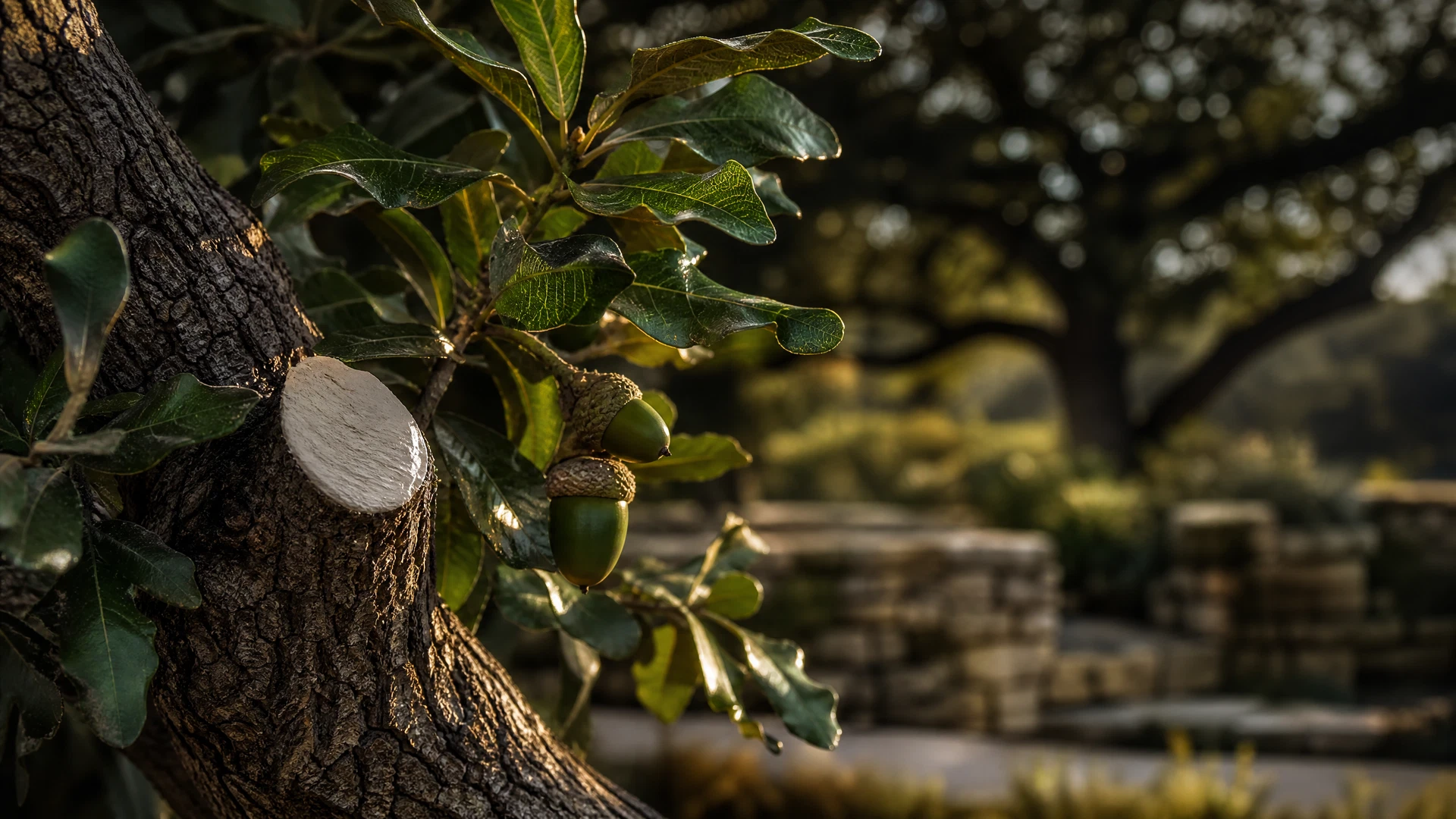
Hyde Park properties often have mature live oaks, pecans, and cedar elms that define the street but also need thoughtful pruning. We focus on purpose: clearance for pedestrians and windows, removing hazardous limbs, and selective thinning to reduce wind load. For trees near homes, pruning is staged to preserve form where possible while removing structurally compromised wood.
Because many Hyde Park lots are narrow with houses close to the property line, pruning decisions balance canopy health with property impact. We explain what cuts do and don’t accomplish, and when slower corrective pruning over several seasons is safer than large, single‑session reductions. If you need a proposal, call (512) 387-2671 to request a written quote and a site visit so we can examine canopy structure in person.
02
Large tree removals, rigging, and neighbor‑aware staging
Removing a large tree on a tight Hyde Park lot is different from a suburban backyard. Narrow side yards and alleys require staged rigging, block‑and‑tackle lowering, and sometimes crane placement offsite. We plan the lift and drop zones to avoid damaging fences, driveways, and neighboring yards, and communicate that plan to adjacent owners when required.
Cost and schedule depend on access, tree size, and how close the tree sits to structures or overhead utilities. When a tree is next to a shared fence or a house, we’ll show you our proposed rigging and traffic control before starting. If municipal permits are needed for street access or protected trees, we’ll tell you which permits to confirm for your address and include permit time in the schedule.
03
Root issues near walks, driveways, and foundations
Older root systems in Hyde Park can lift sidewalks, crack driveways, and push against foundations. We inspect the visible surface root patterns, discuss non‑destructive options such as regrading and targeted root pruning, and outline risks. Root pruning near foundations has tradeoffs: it can reduce future damage but may stress a tree or alter stability, so we explain the consequences before work begins.
When roots are causing repeated sidewalk heaving, we focus on solutions that meet city requirements and preserve the tree when practical. Some projects require coordination with city pavement and right‑of‑way rules; confirm current requirements for your address and project. If the work touches a utility conduit or energized line, the utility must be involved — we will not perform energized‑line work ourselves.
Property note
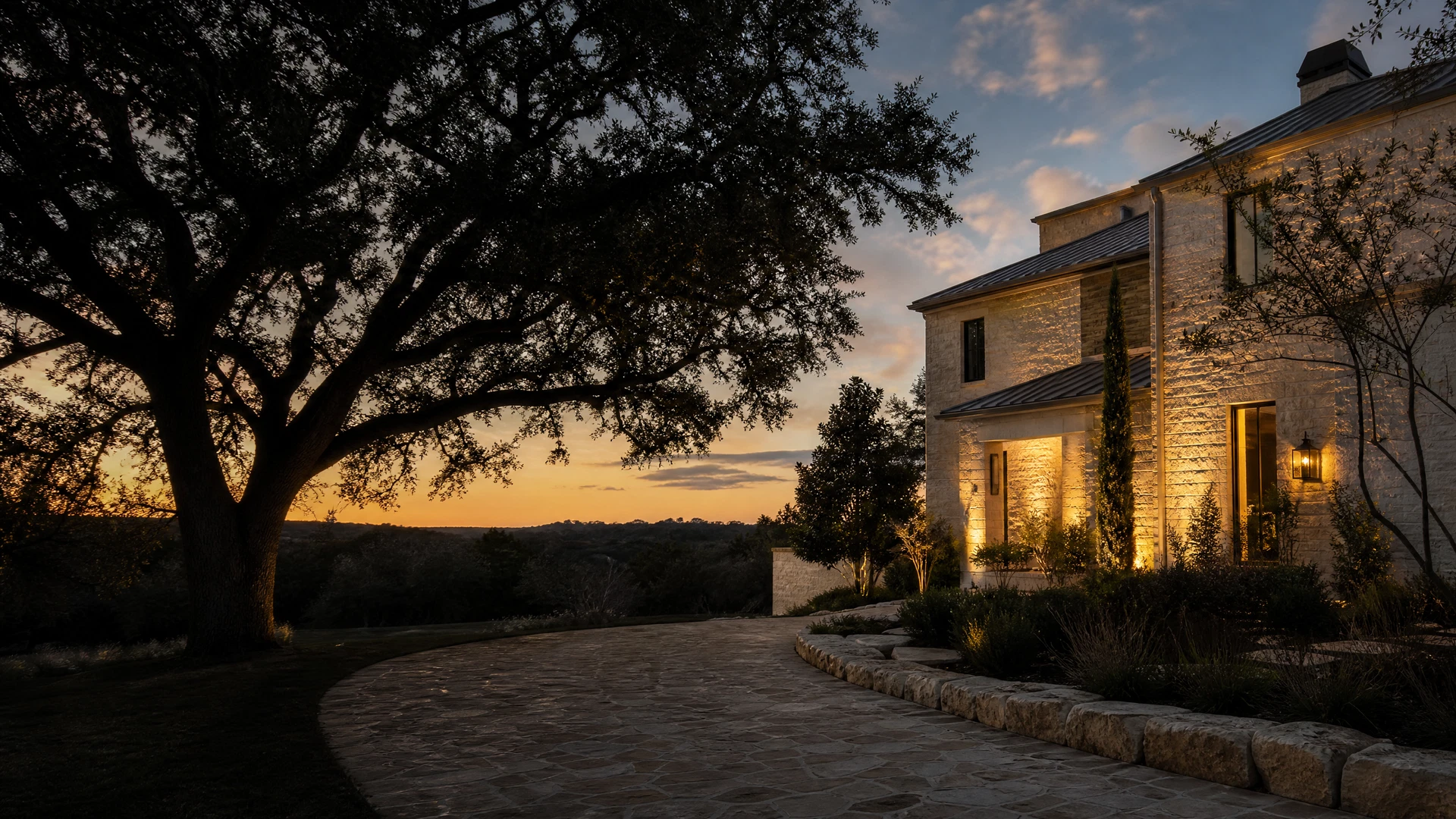
Hyde Park trees in their setting
Local ground, growth, access, nearby structures, and municipal context can shape the work. The address is where the practical plan becomes clear.
04
Stump grinding, site cleanup, and regrading
After removals we offer stump grinding to below grade, root‑piece management, and regrading so the area can be planted or sodded. On narrow lots we can access with smaller grinders and haul away chips or leave them as mulch based on your preference. We explain how deep grinding will be, what’s left behind, and how the surface will settle over time.
Removing the stump mechanically is only part of restoring the site. We compact and grade the area to match the surrounding surface and can return with topsoil and seed or sod. For historic properties or patios near the stump, we discuss options that minimize vibration and protect masonry and walkways.
05
Utility line clearance and coordination
Many Hyde Park trees grow under or beside overhead utilities. When limbs are within the safety clearance of energized lines, the utility company must perform or authorize the work; that’s the law and the safest path. We will identify the issue during a site visit and advise you on when to call the utility versus when our crews can prune safely away from energized conductors.
For non‑energized clearances — hanging limbs that threaten lines after a storm, lines crossing into a neighbor’s yard, or granting clearance for new construction — we coordinate our schedule around utility access and any required permits. Work that affects a utility pole, guy wire, or meter may also require written authorization from the utility or the property owner; we’ll flag those decision points in the written quote.
06
Emergency and storm response, hazard mitigation, and follow‑up
Storm damage in Central Texas can leave cracked crotches and hanging limbs that are immediate hazards to people and houses. Our emergency response focuses on removing the immediate danger, establishing safe pedestrian routes, and preventing further damage to structures. On narrow Hyde Park streets we stage debris away from sidewalks and alleys so neighbors aren’t left with blocked access.
After emergency removal we provide a follow‑up plan: whether the remaining tree can be corrected with subsequent pruning, whether full removal is safer, or whether root work is required to stabilize the site. We do not diagnose tree diseases from photos; if a health issue is suspected that requires specialized treatment — for example suspected oak wilt — we will refer you to a local tree health specialist and explain disposal practices that reduce spread risk.
Where this work happens
Other areas we serve
Considered answers
Straight answers about tree work in Hyde Park
Do I need a permit to remove or prune a tree in Hyde Park?
Permit requirements vary by the city and by tree species or protected status. Hyde Park has older trees and some properties are in historic districts where additional rules may apply. Confirm current requirements for your address before work begins; we will tell you which permits are likely needed after an on‑site assessment and include estimated permit time in the written quote when requested.
Can root pruning fix an uneven sidewalk without removing the tree?
Targeted root pruning can reduce further lifting in some cases, but it’s a tradeoff. Cutting large structural roots can stress or destabilize a mature tree and may not fully eliminate future heave. We assess visible root patterns and recommend options — regrading, targeted root pruning, or removal — explaining risks and expected outcomes so you can choose the approach that fits your property goals.
Who is responsible for clearing branches away from power lines?
Work on or within the safety zone of energized lines belongs with the utility. If branches are contacting live wires, call the utility first. We will identify these situations during our visit, advise you on next steps, and coordinate with the utility for approved access when possible. We do perform pruning outside the utility safety zone following safe practices.
What determines the scope of tree work in Hyde Park?
Key scope drivers are tree species and size, proximity to structures and utilities, access constraints (narrow lots and alleys increase labor and rigging needs), permit or traffic control needs, and whether stump grinding or regrading is required. Historic properties often need extra caution and slower, more deliberate work, which affects the scope. We provide a detailed written quote after an on‑site assessment so you know what’s included and what could change.
Private assessment
Begin with the property.
Tell us where the tree stands, what changed, and what it could reach. We will clarify the next step before work begins.
For urgent work, call (512) 387-2671