
Crestview tree work — alley and side-yard savvy
Tree care for Crestview properties.
We handle pruning, removals, stump work, and construction protection for Crestview’s postwar lots, where mature pecans, elms, and oaks sit close to roofs, fences, sidewalks, and service drops.
Crestview / local guide
A property guide for crestview / local guide frames the questions that shape access, protection, timing, and the intended finish before a written scope.
01
Why Crestview needs a different approach
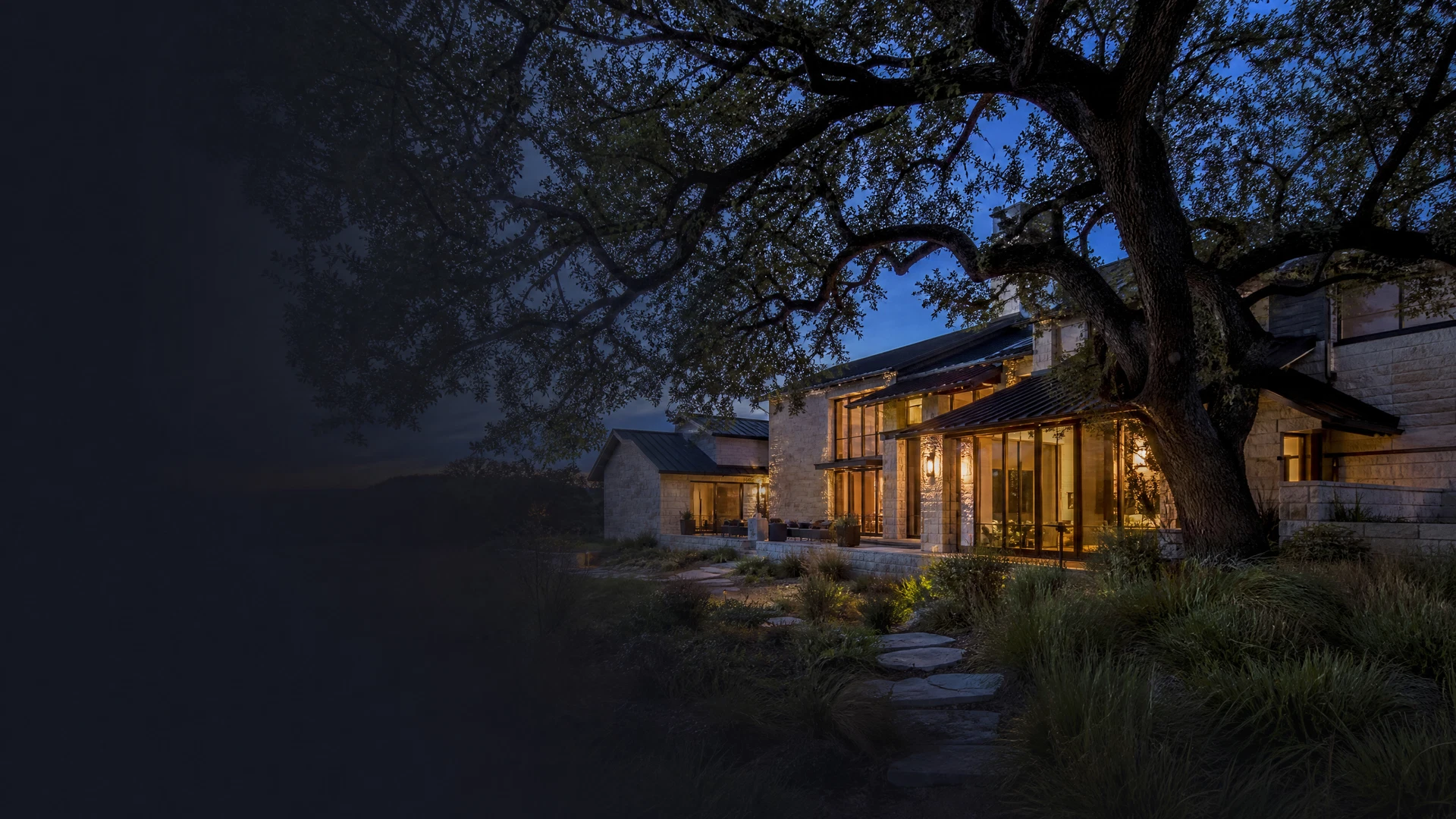
Crestview lots are typically compact postwar parcels with mature trees planted long before fences, garages, and modern utilities. That means big pecans, elms, and oaks often overhang roofs, sit near sidewalks, and run close to service drops. Those tree placements affect how we prune, when we remove, and how we move heavy equipment on and off a property.
Because driveways, alleys, and side yards are frequent access routes, every job starts by mapping how gear and limbs will leave the site. Alley loading, narrow side-yard rigging, and parked cars change labor and time. We plan cuts and hauling with those constraints in mind and explain the tradeoffs: cheaper work when a chipper can park nearby, higher scope when we must winch or hand-lower large limbs into an alley.
02
Pruning for clearance, structure, and long-term health
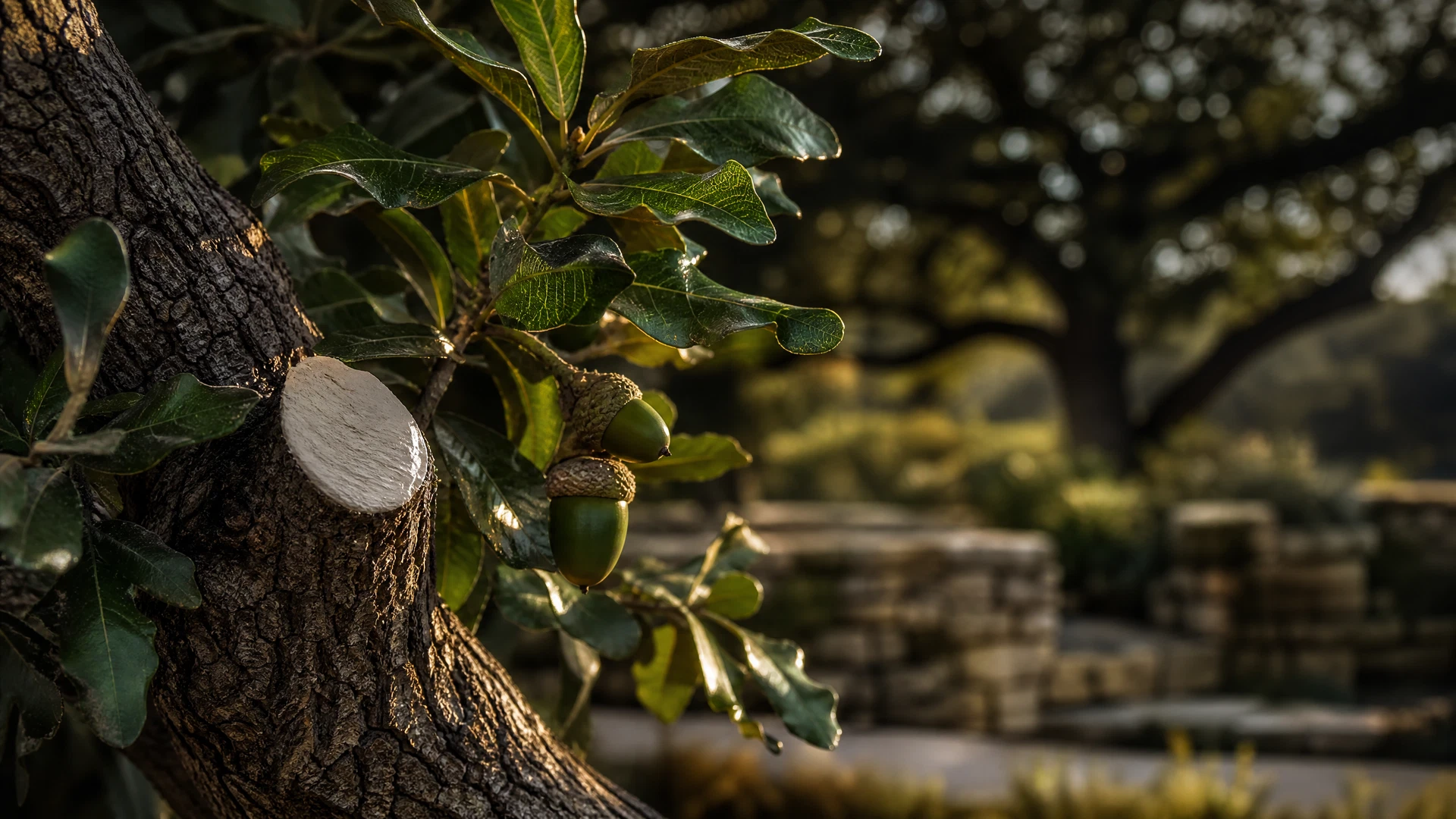
Pruning in Crestview is usually about clearance — keeping tree branches away from roofs, gutters, and the service drops that connect homes to power. We prune to remove rubbing limbs, reduce storm risk, and maintain a tree’s structure without excessive topping. On oaks, we follow pruning practices that reduce large open wounds and limit unnecessary cuts; if oak-wilt is a concern, we explain prevention and recognition and will refer you to the appropriate specialists for diagnostic guidance and referral options.
Pruning decisions are tradeoffs: tighter clearance reduces risk to property but can change how a tree looks and functions. We’ll show where cuts will be made, why each cut matters, and how often follow-up pruning will be needed. Because we don’t diagnose disease from photos, we’ll schedule an on-site inspection if you suspect decline so we can give a realistic scope and estimate.
03
Removals and constrained-access tree work
Removing trees on Crestview lots often means removing a tree in place rather than bringing a bucket truck down a wide driveway. Narrow side yards and alleys force use of hand rigging, cranes, or sectional dismantles. That method is slower and more labor-intensive: crews cut limbs in controlled sections, lower pieces by rope into an alley or yard, and haul them out by hand or with a small loader.
Cost is driven by tree size, proximity to structures, and access. When a large pecan or elm sits over a roof or above a power service drop, we coordinate work around those hazards and always remind homeowners that work near energized lines belongs with the utility. We’ll help you contact the utility when needed and will pause work on any portion that requires de-energizing or utility crew presence.

Property note
The property in context
Local ground, growth, access, nearby structures, and municipal context can shape the work. The address is where the practical plan becomes clear.
04
Protecting trees during remodeling and infill work
Remodeling, adding a garage, or complete teardown/infill construction presents a common Crestview question: can the existing mature tree be saved? We assess root exposure risk, crown impact, and safe work zones for construction equipment. Protection commonly includes fence-style root-protection barriers, clear signage, and specifying a no-grading zone within a dripline. We’ll document the protection plan and share it with your contractor so everyone understands the limits.
There are hard decision boundaries: heavy excavation close to major roots often means a tree’s survival is unlikely. In those cases we advise removal and replacement planning rather than risking a hazardous, declining tree. Confirm current permitting and tree ordinance requirements for your address before starting work; local rules and requirements can change and can affect whether a tree must be mitigated or replaced.
05
Sidewalks, roots, and pedestrian conflicts
Sidewalk uplift is common where expansive root systems push on narrow concrete panels — pecans and elms are the usual suspects. Solutions vary: slab replacement with root-friendly design, selective root pruning where allowed, or choosing to remove and replace both tree and pavement. Each approach has tradeoffs in cost, longevity, and tree health.
Root pruning near a foundation or sidewalk is not always the right answer. Pruning major roots can destabilize a tree or begin a long decline. We explain alternatives, like installing a flexible sidewalk surface, adjusting grades, or removing the tree and planning a smaller, less disruptive replacement. For work that touches public sidewalks or city right-of-way, confirm current requirements for permits with the city’s public works department before we begin.
06
Stump grinding, cleanup, and site restoration
After a removal, homeowners often want the stump gone and the site made usable. Stump grinding is our usual approach: grinding the stump down to a specified depth and removing the grindings or leaving them as mulch. Depth and cleanup choices affect cost — deeper grinding and hauling of grindings increase time and disposal needs.
We also handle chip-out and whole-log removal when homeowners want the wood removed for firewood or hauled off. For small lots in Crestview, we prioritize smaller equipment and manual cleanup to avoid damaging lawns or nearby structures. If you want the site prepped for a new driveway, foundation, or planting bed, tell us up front so we can match the demolition and grinding depth to your plans.
Where this work happens
Where this work happens in the Austin area
Considered answers
Straight answers about Crestview
Do I need a permit to remove a tree in Crestview?
Permit requirements depend on the tree’s size, species, placement, and whether it’s in the public right-of-way. Local rules change, so confirm current requirements for your specific address with the city before work begins. We’ll point out when permitting looks likely based on the site visit and include permit notes in your written quote, but homeowners are responsible for confirming and obtaining any required permits.
Will pruning prevent oak-wilt in my live oaks?
Pruning practices can reduce the risk of spreading oak-wilt when done correctly, such as avoiding pruning during high-risk months and keeping wounds as small as possible. We follow prevention-minded practices and will refer you to disease specialists for testing or treatments we don’t provide. We do not offer chemical disease work or root trenching; if treatment is indicated, we’ll recommend qualified providers.
How does alley or side-yard access affect the price?
Limited access increases labor and time because crews must hand-lower material, use smaller equipment, or bring specialized rigging. Alley loading can reduce cost if the alley is clear and stable, but blocked alleys or long carry distances raise the price. We show access-related cost items in the written quote so you can see options like paying extra for crane work versus sectional dismantle.
Can you protect trees while my house is renovated?
Yes. We create a tree-protection plan that includes root-protection zones, temporary fencing, and guidance for equipment routes. However, if your project requires heavy excavation inside a tree’s critical root zone, survival may be unlikely and removal could be the safer option. Confirm permits and site rules with the city, and include the tree-protection plan in your contractor’s instructions so it’s enforced on site.
Private assessment
Begin with the property.
Tell us where the tree stands, what changed, and what it could reach. We will clarify the next step before work begins.
For urgent work, call (512) 387-2671