
Site visit and risk assessment
We walk your yard with you, identify targets and hazards, note species-specific concerns (especially oaks), and confirm access and staging areas.

Tree trimming & pruning
Clearance, structure, and long-term tree health tailored for properties along the I-35 corridor — Georgetown through Manor and south to Manchaca and Buda.
Service / property guide
A property guide for service / property guide frames the questions that shape access, protection, timing, and the intended finish before a written scope.
01
Pruning is not just making trees look tidy. On Central Texas lots, with hot summers, variable soil depth, and seasonal storms, the right cuts reduce weight on weak branches, improve clearance for houses and cars, and lower the chance of failures during storms. Done poorly, pruning can create large wounds, promote decay, or remove too much foliage so trees stress through drought months.
We judge each tree on structure, species, and the property’s goals. For example, live oaks and post oaks in our service area hold their crowns differently than cedars or pecans; pruning choices that work on one species can harm another. We will explain tradeoffs — more aggressive thinning reduces wind resistance but opens interior branches to sunscald; raising a canopy helps vehicles pass but can remove lower shade that keeps a yard cooler in summer.
The work, in order
We walk your yard with you, identify targets and hazards, note species-specific concerns (especially oaks), and confirm access and staging areas.
We outline the proposed cuts, cleanup options, disposal method, and any permit or utility coordination needed, then provide a clear written quote.
Crews set pads, rigging, and protective barriers for roofs, fences, and plantings. We clear work zones and communicate the plan before chainsaws start.
We make cuts at branch collars, reduce leaders where needed, lower large limbs with rigging over structures, and avoid topping. Deadwood is removed and hauled or chipped per your selected cleanup option.
Crew foreperson walks the property with the homeowner or rep, shows the work performed, discusses future maintenance intervals, and leaves a receipt and scope note. If future pruning windows are recommended (like oak-safe timing), we note them.
Property note
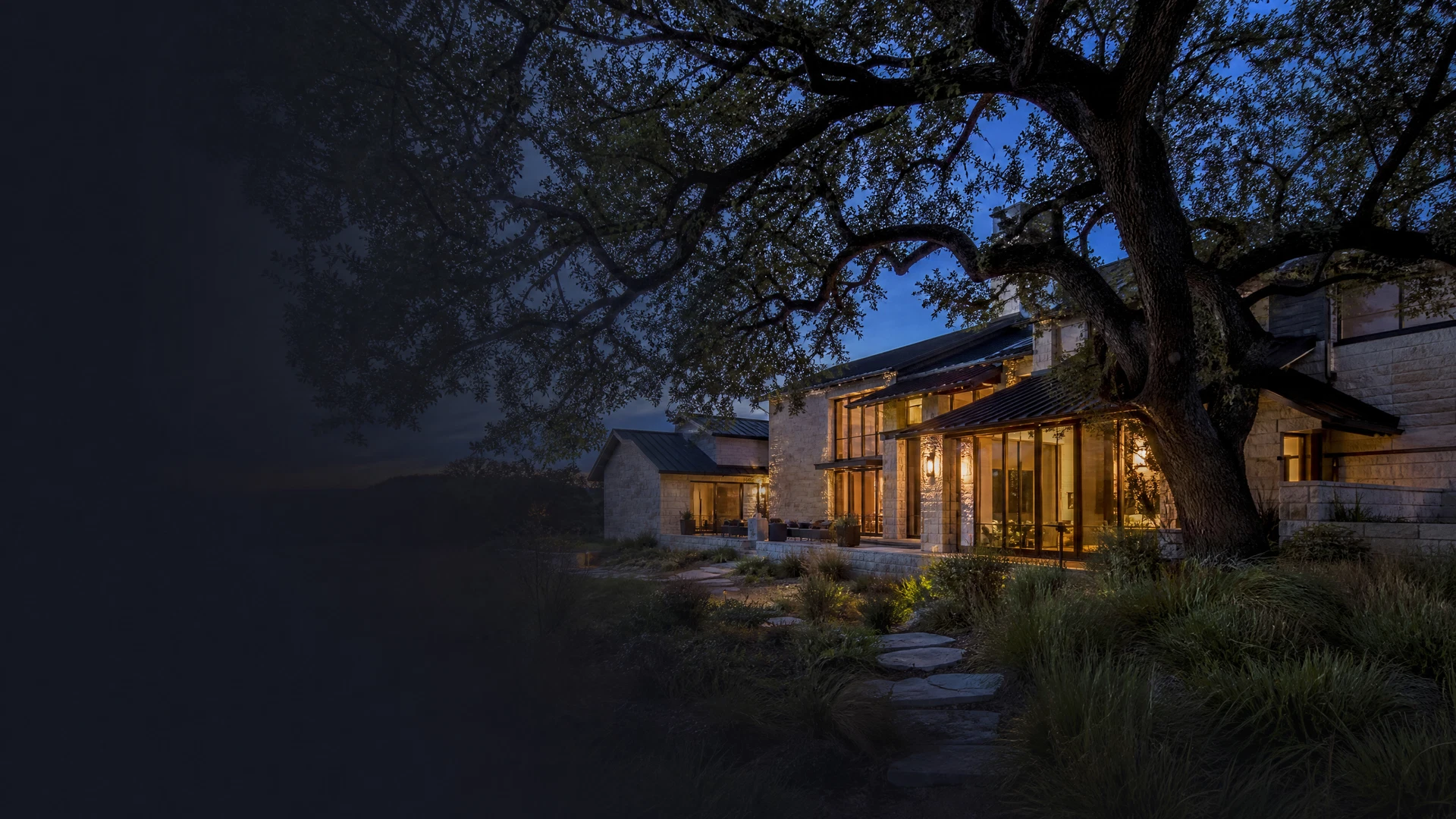
The work is planned around the living canopy, the physical limits of the property, and the finish a homeowner expects once the site is clear.
02
Deadwooding removes dead branches that can drop unpredictably. Selective crown thinning opens the canopy by removing small, crowded branches to reduce wind sail and light the interior. Canopy raising clears branches off roofs, driveways, and walkways so people, maintenance equipment, and vehicles pass safely. Structural pruning focuses on young and middle-aged trees to establish a single trunk or reduce competing leaders and reduce included bark.
We don’t top trees. Topping removes large limbs from the crown indiscriminately and leaves big stubs; it stimulates weak, fast-growing sprouts and shortens a tree’s useful life. Instead, we make targeted cuts at branch collars and distribute reductions so the tree retains a functional canopy. If you want shade preserved, we’ll prioritize lateral thinning instead of wholesale crown removal and explain how much shade will be lost with each option.
03
First, we walk the property with the homeowner and note safety risks, targets for clearance, and any trees that require structural attention. We identify overhead hazards, proximity to roofs and driveways, and species-specific considerations such as oaks that may need oak-safe timing. If work is near energized lines, we’ll point that out and confirm whether the utility needs to perform line clearance; work near energized lines belongs with the utility.
Next, we mark trees and cuts, explain tradeoffs, and provide a written scope. If permits or neighborhood rules might apply, we’ll flag that and recommend you confirm current requirements for your address. On the day of work, crews set up with rigging and controls to protect roofs, fences, and landscape beds, then perform cuts in the order that prevents dropped branches from creating new hazards, hauling debris off-site or chipping it depending on your preference and local rules.
From the property owner
“James was knowledgeable and thorough with the best approach to preserve the trees during the hot Summer months. Great job!”
04
Price depends on tree size, number of trees, access, equipment needed, and the work type. A single small ornamental needing light pruning is a different job than a mature pecan that requires sectional dismantling over a driveway. Steep lots, limited street parking, and lots with many landscaped beds add time and care, which increases cost. Central Texas lots often have shallow soils and root exposure that require extra care when operating equipment.
Seasonal demand also matters. Winter months (when many people prefer oak pruning) can be busier, and coordinating oak-safe timing can shift schedules. Disposal choice matters: chipping and hauling away is priced differently than cutting to firewood and leaving it on-site. Request a written quote so you can see line-item scope and compare options for scope, cleanup, and timing.
05
Oak wilt is a concern for oak owners in our region. As prevention, pruning oaks during the lower-risk months reduces the chance of infection spread by sap-feeding beetles. In Central Texas, the window most arborists use for oak-safe pruning typically falls in winter months; we will recommend timing for individual trees and refer you to your county extension or a plant-health specialist for up-to-date guidance. We do not claim to diagnose oak wilt from photos and will refer suspicious cases for lab confirmation or to a qualified tree-health consultant.
When oak work is required on a contaminated or suspect tree, disposal matters. Infected wood must be handled and disposed of to limit local spread; we follow removal and disposal practices that keep cut material contained and removed promptly. If a tree is actively symptomatic, we’ll advise you on removal timing and refer to specialists for diagnostic guidance and referral options if those are appropriate for the property owner to pursue.
06
Work near utility lines is a common issue along the I-35 corridor. If branches are within the utility’s clearance standards or directly touching energized conductors, the utility has responsibility for primary line work. We will identify those boundaries and coordinate with the utility or your account manager as needed, but we do not perform work on live high-voltage conductors. For service drops and low-voltage lines, we will assess risk and may recommend an electrician or contact the utility for safe execution.
Trees close to property lines require clear homeowner direction about where to cut. If the neighbors’ tree overhangs your yard, Texas property law and local ordinances can affect what’s allowed; confirm current requirements for your exact address. We can perform pruning on trees we have permission to work on and will document consent and boundaries in the written quote.
Where this work happens
Considered answers
Costs vary by tree size, number of trees, access, and required equipment. Small ornamental pruning can be a few hundred dollars, while removing limbs from a large oak near a house can run into the thousands because of rigging and protection needs. Central Texas factors like steep lots, soil depth, and constrained access increase labor and time. The only way to get an accurate number is an on-site estimate; call (512) 387-2671 or request a written quote to see a line-item estimate.
Pruning oaks in the lower-risk months reduces the chance of beetles carrying fungal spores to fresh wounds. In our area that typically means winter months, but recommended windows can change with seasonal conditions and local outbreaks. We’ll recommend timing for your trees and refer you to your county extension or a plant-health specialist for the latest guidance. We do not diagnose oak wilt from photos and will refer suspicious trees for lab testing.
Pruning removes foliage, so some shade loss is inevitable. The goal is to balance safety and structure with retained canopy. Selective thinning preserves lateral limbs and shade while reducing wind load; raising the canopy removes lower shade but protects roofs and vehicles. We’ll discuss the expected shade change before work so you can choose the right balance.
We identify lines and the clearance status during the site visit. Work on energized high-voltage lines belongs with the utility, and we will not perform that work. For low-voltage lines or service drops we’ll assess risk and coordinate with the utility or an electrician if needed. Safety and authorized access govern what we can do.
Local permitting and deed restrictions vary across Georgetown, Pflugerville, Manor, and south to Manchaca and Buda. Some municipalities require permits for tree removal or major pruning, and homeowner associations may have rules on visible changes. We flag potential permit needs during the site review, but confirm current requirements for your address — regulations change and we don’t substitute for local municipal guidance.
Young trees benefit from formative pruning every 2–4 years to develop good structure. Mature trees typically need routine maintenance every 3–7 years depending on species, exposure, and history. Trees with storm damage, included bark, or heavy crowns may need more frequent attention. We’ll recommend an interval based on species, past work, and your property goals during the written quote.
Private assessment
Tell us where the tree stands, what changed, and what it could reach. We will clarify the next step before work begins.
For urgent work, call (512) 387-2671