
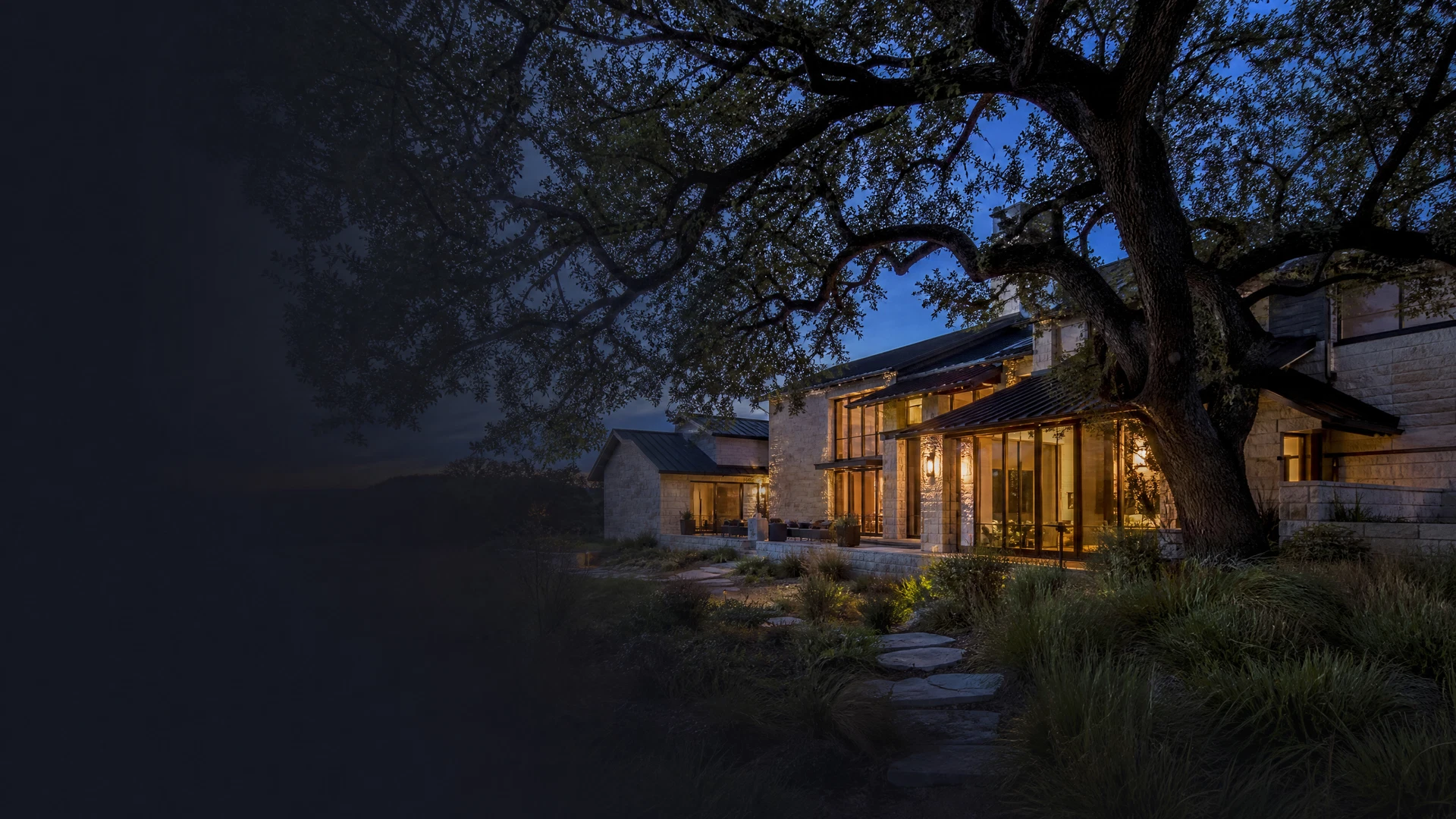
Sunset Valley tree care
Tree care for Sunset Valley properties.
Sunset Valley is a small city surrounded by Austin with mature live oaks, cedar elms, narrow lots, and mixed commercial edges. We focus on practical trimming, safe removals, storm cleanup, and clear written estimates that respect local rules and wildlife.
Sunset Valley / local guide
A property guide for sunset valley / local guide frames the questions that shape access, protection, timing, and the intended finish before a written scope.
01
What makes Sunset Valley tree work different
Sunset Valley is its own small city inside the urban fabric of Austin, which means rules and expectations can differ from your neighbors a few blocks over. Many properties have mature live oaks and cedar elms, pockets of commercial frontage, and a mix of large and small residential lots. Those trees are beautiful and valuable, but they bring specific challenges: tight access, root systems close to driveways and drains, and a higher chance of conflicts with fences, roofs, and utility corridors.
Before any work starts, confirm whether your property falls under Sunset Valley’s jurisdiction rather than Austin. Permit rules, required notifications, and protected-tree lists can change by address. If you’re unsure, check with the city offices for your parcel or tell us during the initial call and we’ll point you to the right contacts. Also remember: work near energized lines belongs with the utility — don’t attempt to prune or remove trees touching power lines without a utility crew involved.
02
Routine pruning and crown management
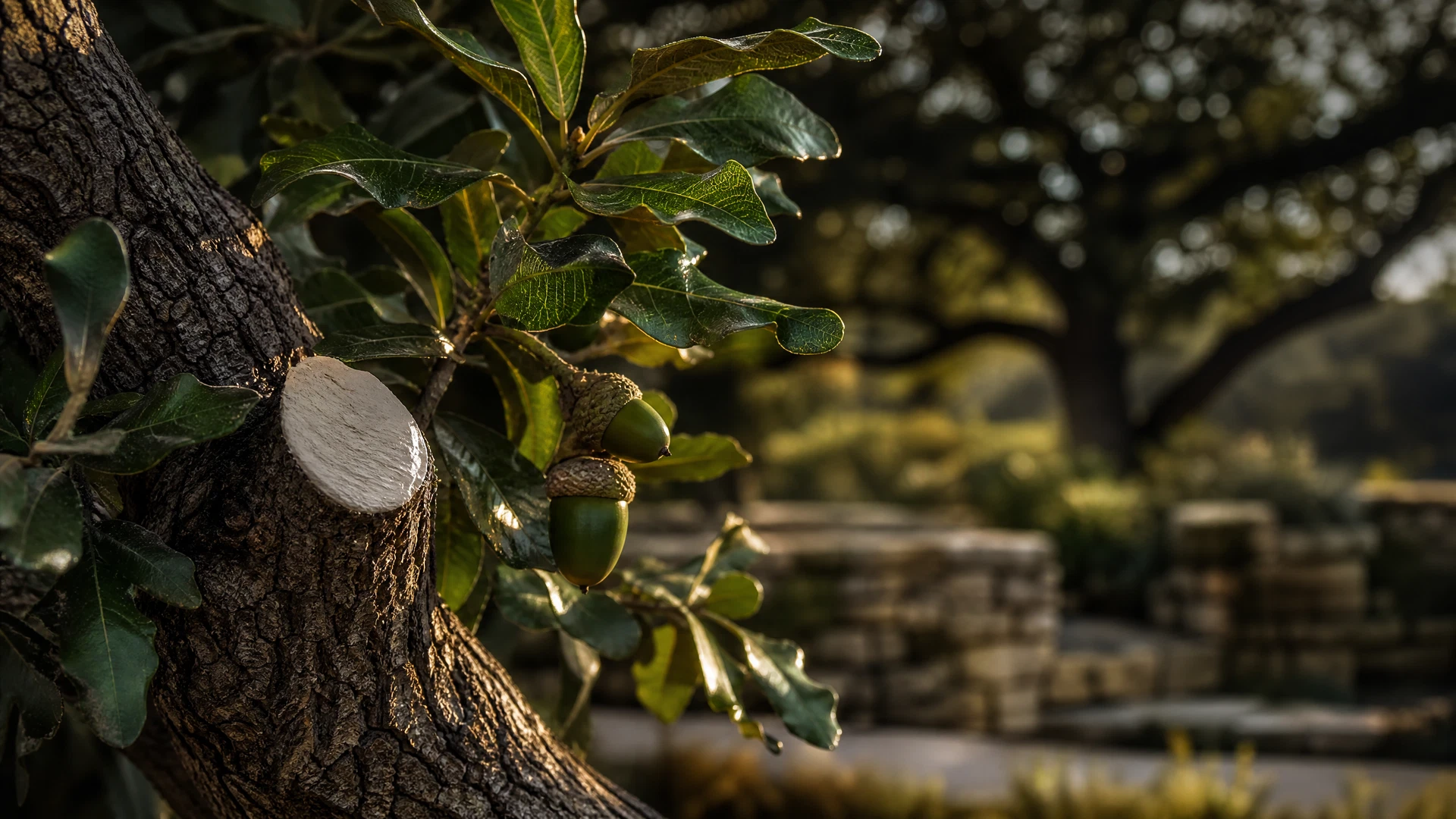
Routine pruning in Sunset Valley looks different depending on lot size and tree species. On smaller lots the emphasis is often crown reduction to keep branches away from roofs, gutters, and service lines while maintaining a natural shape. On larger lots or in commercial strips we may prioritize thinning to reduce wind resistance and let light through for underplanting. For live oaks and cedar elms, pruning timing and cut placement are chosen to preserve structure and reduce long-term decay.
We focus on mechanical pruning — removing deadwood, shortening long lateral branches, and pruning for clearance around structures and drives. That work reduces storm damage risk and improves sightlines, but it also has tradeoffs: aggressive topping or over-thinning can stress a tree and increase sprouting. We’ll explain the options, the expected lifespan impacts, and why some pruning choices cost more because they require aerial work, rigging, or staged lowering to protect landscape and structures.
03
Removals, large-diameter trees, and staged takedowns
Removing a large live oak or cedar elm in Sunset Valley is often a staged operation rather than a single-day chop. Large trunks, heavy limbs, and nearby homes or business frontages require rigging, sectioning, and controlled lowering to keep the job safe. If root flares are close to foundations, driveways, or drainage lines, we factor that into the plan and discuss restoration options like root-safe grading or planting replacements.
Cost drivers for removals are straightforward: tree size, complexity of rigging, access to the work area, proximity to buildings or vehicles, and the amount of chipping or hauling required. Where access is very tight, we may need additional equipment or labor to get material out without damaging fences or landscaping. We provide a scope that separates the removal price from optional stump grinding, extra hauling, or landscape repair so you can decide what to include.
Property note
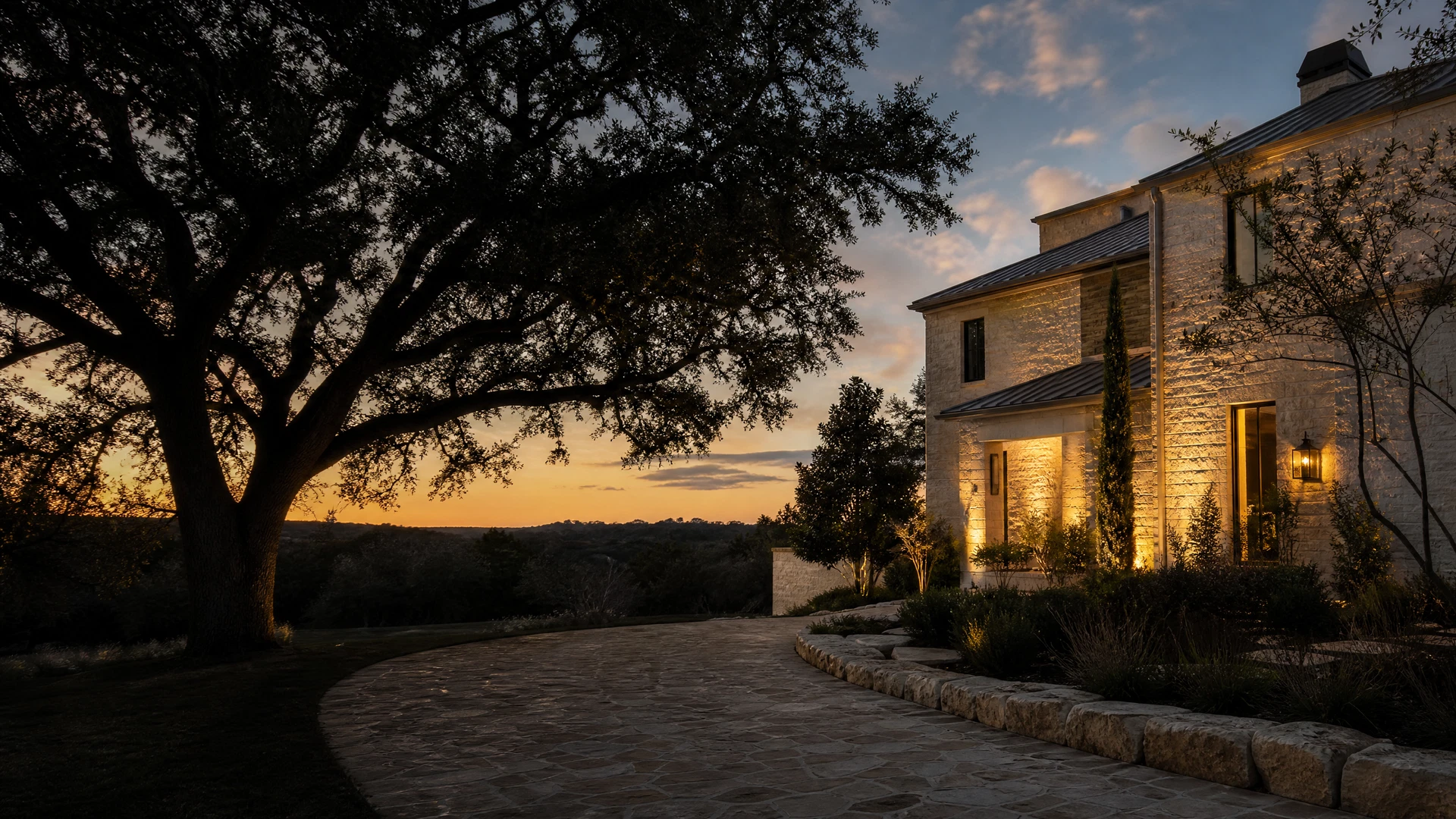
The property in context
Local ground, growth, access, nearby structures, and municipal context can shape the work. The address is where the practical plan becomes clear.
From the property owner
“Excellent service. Great communications, skills and professionalism! Stuck to the quoted price and cleaned up afterwards. Will use again!”
04
Storm response, drainage, and wildlife considerations
Sunset Valley’s older trees can shed large limbs during storms, and clogged drainage channels around properties can turn a damaged limb into a water-logged hazard. Our storm response work focuses on clearing collapsed branches, securing partially detached trees, and reopening drainage paths to reduce secondary damage. Debris can be a fuel load for yard fires and can block erosion-control measures if not removed promptly.
We also look for wildlife considerations. Many yards house nesting birds, mammals, or native pollinators, and state or local rules can protect nesting birds at certain times of year. If we find active nests we will pause and advise on the legal and practical options. We cannot diagnose wildlife conditions from photos alone — an on-site inspection is the reliable way to assess nesting, dens, or bat roosts and to plan a timing-sensitive approach.
05
Access, lot size, and scope drivers — realistic budgeting
Budgeting for tree work in Sunset Valley starts with a walk-through. Small lots can be deceptively expensive because of tight access and the need to protect fences, irrigation, and mature plantings during removals. Commercial edges or buildings next to trees add the complexity of public interface and sometimes require traffic control. We itemize those needs so you can see exactly what increases labor or equipment time.
Other common scope drivers are distance to dump sites, whether crew members must stage equipment on site, the need for cranes or aerial lifts, and whether stump grinding is included. We never bundle every optional item into a single opaque price; instead we separate base service, necessary safety measures, and add-ons so you decide what level of restoration or cleanup you want. To start that process call (512) 387-2671 and request a written quote.
06
Permits, protection, and safety boundaries
Permits and protections in Sunset Valley may differ from Austin’s ordinances. Before removing or significantly altering a mature tree, check with city staff about whether a permit or mitigation fee applies. We’ll help gather the measurements and photos the city requires, but final confirmation and any required filings should be verified with Sunset Valley officials for your specific address. Regulations change; don’t assume the same rules that apply inside Austin automatically apply in Sunset Valley.
Safety boundaries are part of every plan. Work near energized lines belongs with the utility, and we will coordinate with utility crews when limbs or trunks are entangled with power infrastructure. For trees that show signs of disease, decay, or potential oak-wilt risk, we limit our scope to pruning best practices, removal and disposal, and referral to local specialists for diagnosis or diagnostic guidance and referral options. We do not diagnose disease from photos and will recommend an on-site evaluation or referral where appropriate.
Where this work happens
Where this work happens in the Austin area
Considered answers
Straight answers about Sunset Valley
Do I need a permit to remove or prune a tree in Sunset Valley?
Possibly. Sunset Valley maintains its own rules that can differ from Austin, so you should check with the city for your specific parcel. We can help collect measurements, photos, and species information that the city may request, but final confirmation and any required filings should be verified with Sunset Valley officials before work begins.
How do you handle trees that might have oak-wilt or other diseases?
We do not diagnose disease from photos. If we suspect oak-wilt or another serious pathogen during an inspection, we’ll outline removal or pruning precautions and refer you to a local specialist for diagnosis or diagnostic guidance and referral options. For prevention we follow pruning best practices and timing guidance to reduce known risks, and we handle removal and disposal methods consistent with municipal guidance.
What drives the price for a tree removal or large pruning job?
Key scope drivers are tree size and weight, access limitations, the need for rigging or cranes, proximity to structures or utilities, the amount of chipping and hauling, and whether stump grinding or landscape repair is included. We separate these items in the estimate so you can weigh tradeoffs — for example, adding stump grinding saves future effort but increases the upfront cost.
A branch is touching power lines — who should I call?
Work near energized lines belongs with the utility. Contact your electrical utility immediately and do not attempt to trim the branch yourself. We can coordinate with the utility for any intersecting work once the utility has made the area safe or authorized a contractor to proceed.
Private assessment
Begin with the property.
Tell us where the tree stands, what changed, and what it could reach. We will clarify the next step before work begins.
For urgent work, call (512) 387-2671