
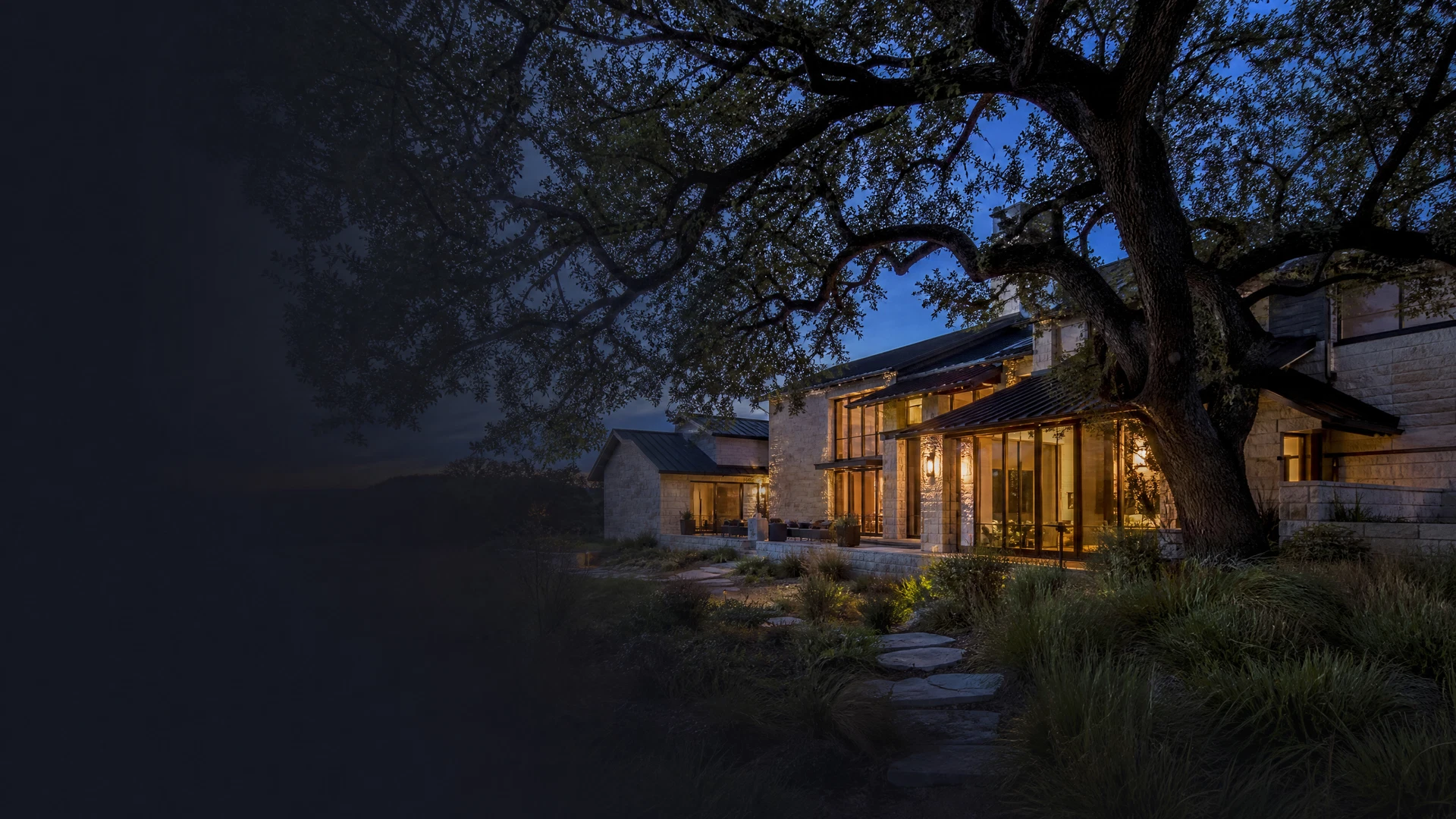
Tree service in Circle C
Tree care for Circle C properties.
Planned neighborhoods, greenbelts, and aging oaks in Circle C mean tight access, limestone-clay soils, and broad canopies. We focus on practical pruning, careful removals, and work that fits fences, trails, and HOA rules. Call (512) 387-2671 to request a written quote.
Circle C / local guide
A property guide for circle c / local guide frames the questions that shape access, protection, timing, and the intended finish before a written scope.
01
How Circle C yards shape our work
Circle C neighborhoods are defined by planned streets, private yards close to maintained greenbelts, and long trail corridors. Many properties sit on the clay-to-limestone transition that affects rooting patterns and stability; trees that look healthy above ground can have shallow roots or uneven anchoring below. That matters for pruning choices, removal options, and the timing of work.
Another local factor is access. Narrow side yards, fences next to trails, and yards that back up to greenbelt edges change the way crews bring gear, stage wood, and remove debris. We plan lifts and haul routes around those constraints so work is safe and minimizes impact on trails and neighbors.
02
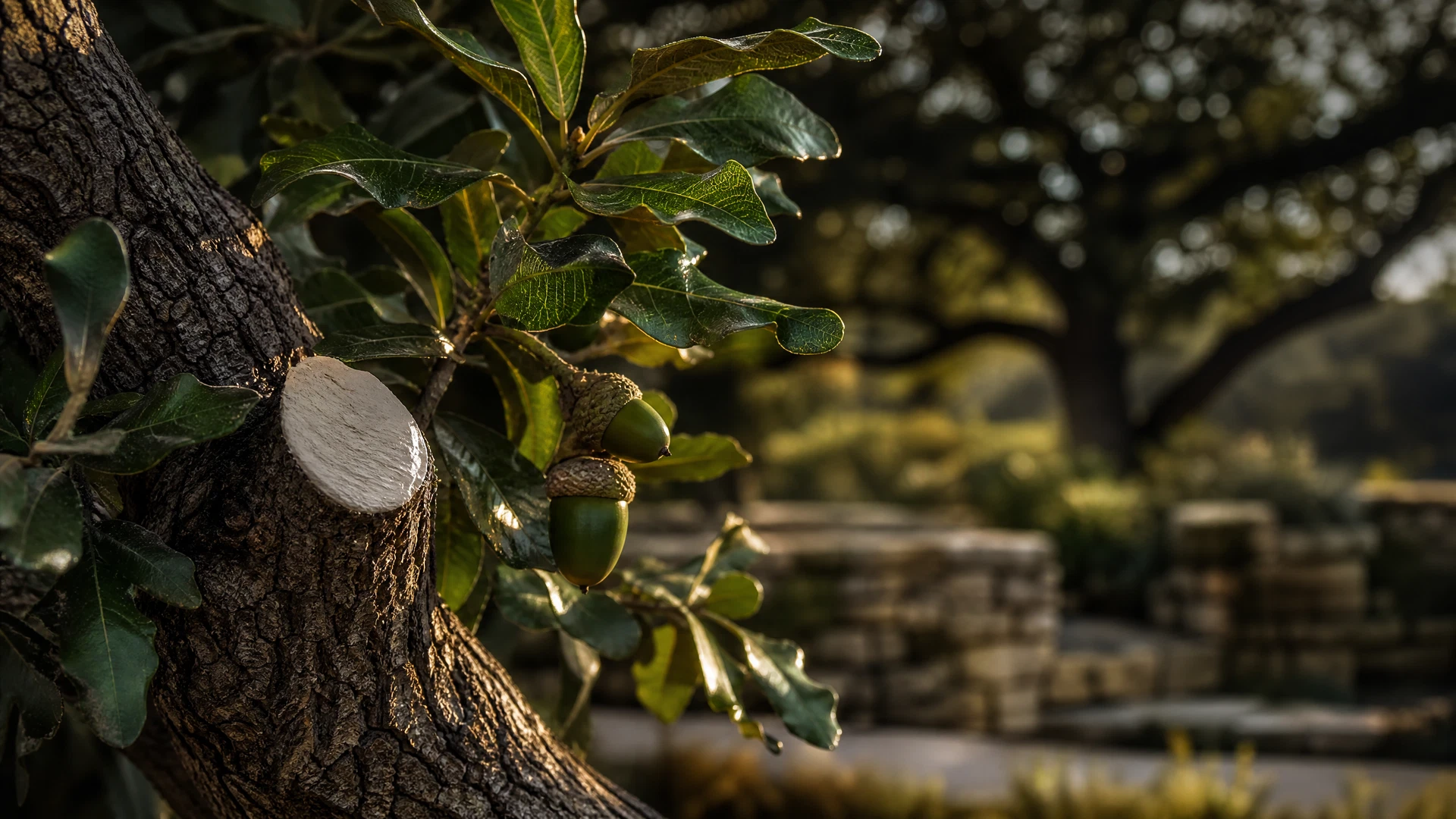
Pruning and canopy management for maturing live oaks and cedar elms
Maturing live oaks and cedar elms are common in Circle C and respond differently to cuts. Live oaks tolerate selective thinning and careful crown reduction when you want to reduce wind sail or clear structures. Cedar elms are prone to brittle breakage; targeted pruning to remove deadwood and reduce weight on long lateral branches is practical for minimizing storm damage. For either species, we inspect branch unions, signs of decay in the field, and the tree’s overall structure before proposing work.
We avoid heavy topping and instead use pruning strategies that remove specific branches, thin congested areas, and preserve the natural shape of the canopy. Timing matters: late winter to early spring pruning is typical for many species, but individual trees and neighborhood restrictions can change the best window. We’ll note HOAs or city permit requirements during the site visit—confirm current requirements for your specific address and project.
03
Safe removals and decisions when space is tight
Removing a large tree in a Circle C yard often means working beside fences, close to homes, or over a trail. We evaluate access, fall zones, and whether staged lowering with ropes and rigging is needed to control limbs and trunk sections. If side access is compact, we discuss options such as sectional dismantling, crane lifts (if feasible and desired), or temporary removal of fence panels with homeowner or HOA approval.
Cost and feasibility hinge on objective conditions: tree size and weight, proximity to structures, access for equipment, and disposal logistics. When trees are next to energized lines, work near energized lines belongs with the utility—do not attempt to work around live wires without contacting them. We’ll flag those situations on sight and advise the next steps.

Property note
The property in context
Local ground, growth, access, nearby structures, and municipal context can shape the work. The address is where the practical plan becomes clear.
From the property owner
“James was knowledgeable and thorough with the best approach to preserve the trees during the hot Summer months. Great job!”
04
Stump grinding, site cleanup, and trailside edge work
Stump grinding removes the visible trunk and reduces trip hazards along property lines and trails; it does not remove roots. In Circle C, where fence lines and trails create narrow corridors, we plan grinder placement and explore root exposure risks that can affect fences or retaining walls. Grinding depth is chosen to balance replanting goals and practical soil disturbance in clay-to-limestone soils.
Cleanup in neighborhoods matters. We stage wood for homeowner pickup if requested, chip brush for reuse as mulch on-site when acceptable, or haul debris away. We don’t claim to handle every possible disposal requirement; if an HOA or city ordinance covers brush disposal at your address, confirm those rules before the job starts so we include any additional hauling or permit scope in the written quote.
05
Tree health, drought stress, and when to get an in-person opinion
Drought stress shows up often on Circle C properties: canopy thinning, early leaf drop, and dieback on branch tips are common. These are symptoms that suggest the tree’s water and root environment need evaluation, not a diagnosis you can make reliably from a photo. We inspect soil moisture, root collar condition, and dieback patterns in person to recommend pruning for safety versus actions to try preserving the tree.
We do not offer medical treatments like chemical disease work or specialized root trenching for oak-wilt on site. For oak-wilt concerns we will explain prevention-minded pruning practices, recognize symptoms, and refer you to a qualified tree health specialist when appropriate. If disease or insect problems are suspected, an on-site assessment is the responsible first step.
06
Storm preparedness and emergency care for broad suburban canopies
Circle C’s broad canopies can shed large limbs in storms, especially with drought-weakened root systems on shallow limestone soils. Preventive pruning to remove hazardous deadwood, reduce long cantilevered limbs, and balance the canopy reduces the chance of sudden failures in storms. We talk through tradeoffs: more aggressive crown reduction lowers wind catch but increases visible cuts and requires careful aftercare.
If a storm causes damage, start with safety: keep clear of leaning trees that could contact energized lines and call the utility for power hazards. For storm-damaged trees that are unsafe but not near utilities, we offer removal and debris management. Emergency work is triaged on-site—call (512) 387-2671 to request a written quote and to arrange an inspection so we can assess risk, access challenges, and cleanup needs.
Where this work happens
Where this work happens in the Austin area
Considered answers
Straight answers about Circle C
How much does tree removal in Circle C usually cost?
Cost depends on several local factors: trunk diameter, tree height, distance to structures or fences, access limitations, and whether sectional dismantling or a crane is required. Properties that back up to a greenbelt or have compact side access typically increase labor and time. Expect a written quote that breaks out these drivers after an on-site inspection; call (512) 387-2671 to request a written quote.
Can you work on trees that are next to the trail or a neighbors’ fence?
Yes, but we plan around property lines and trail use. For work adjacent to a trail we protect pedestrians and coordinate staging to minimize disruption. If work involves a neighbor’s tree or shared root zone, confirm property ownership and HOA rules first. Fence removal or temporary fence adjustments may be possible with homeowner or HOA approval and will be itemized in the quote.
Will stump grinding remove all roots so I can replant?
Stump grinding removes the visible trunk and grinds below grade to a depth agreed upon in the quote, which makes replanting possible in most cases. It does not remove the entire root system; large structural roots may remain and can affect planting location and drainage, especially on Circle C’s clay-to-limestone soils. We’ll discuss suitable replanting distances and any additional excavation you might want to budget for.
I think my live oak has oak-wilt. Can you treat it?
We do not apply chemical disease work or offer oak-wilt diagnosiss. We will inspect the tree on site, explain prevention-minded pruning and handling practices, and refer you to a specialist for confirmed oak-wilt diagnostic guidance and referral options. If you suspect oak-wilt, avoid fresh pruning during high-risk times and contact a tree health specialist for diagnosis and diagnostic guidance and referral options.
Private assessment
Begin with the property.
Tell us where the tree stands, what changed, and what it could reach. We will clarify the next step before work begins.
For urgent work, call (512) 387-2671