
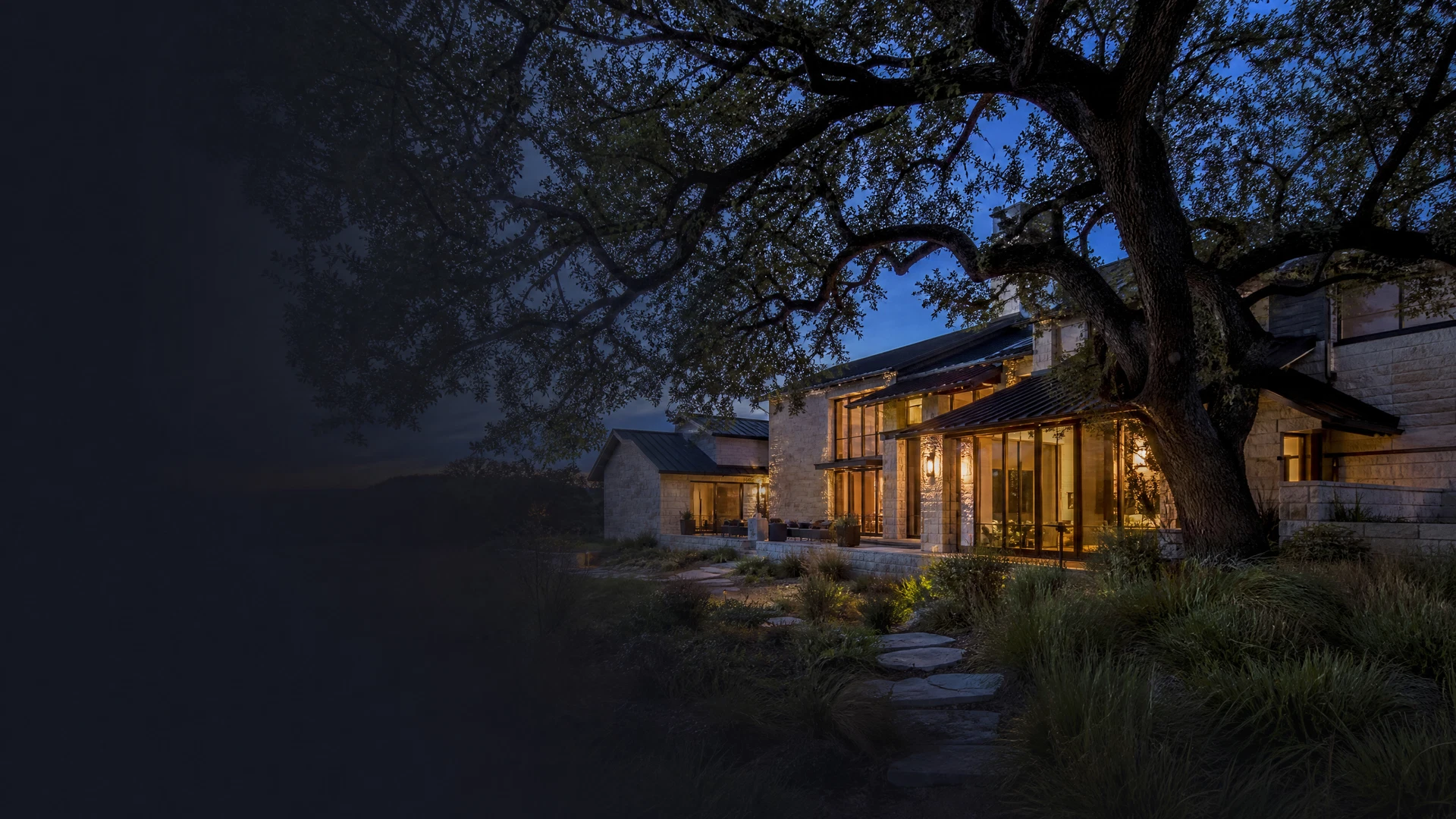
Wells Branch tree care
Tree care for Wells Branch properties.
Selective tree work for compact lots, trails, and drainage corridors. Practical tradeoffs, clear pricing drivers, and safe utility coordination.
Wells Branch / local guide
A property guide for wells branch / local guide frames the questions that shape access, protection, timing, and the intended finish before a written scope.
01
Wells Branch: mature trees, tight yards, and shared corridors
Wells Branch is a mature planned community: established shade trees, narrow lots, fences close to trunks, and a network of trails and drainage corridors that residents use every day. That setting changes how we approach almost every job. You don’t usually need wholesale canopy reduction; you need selective, careful work that protects shade, limits impact to neighbor lots, and keeps trails and drainage channels clear.
Because many properties share property lines and utilities run close to backyards, every cut has a consequence. We explain tradeoffs on site — for example, removing a limb that brushes a roof will reduce leaf litter and risk, but it also opens the tree to more sun and changes how storms load the remaining canopy. We recommend the least-damaging option that accomplishes your safety and maintenance goals.
02
What we offer in Wells Branch — the six core services
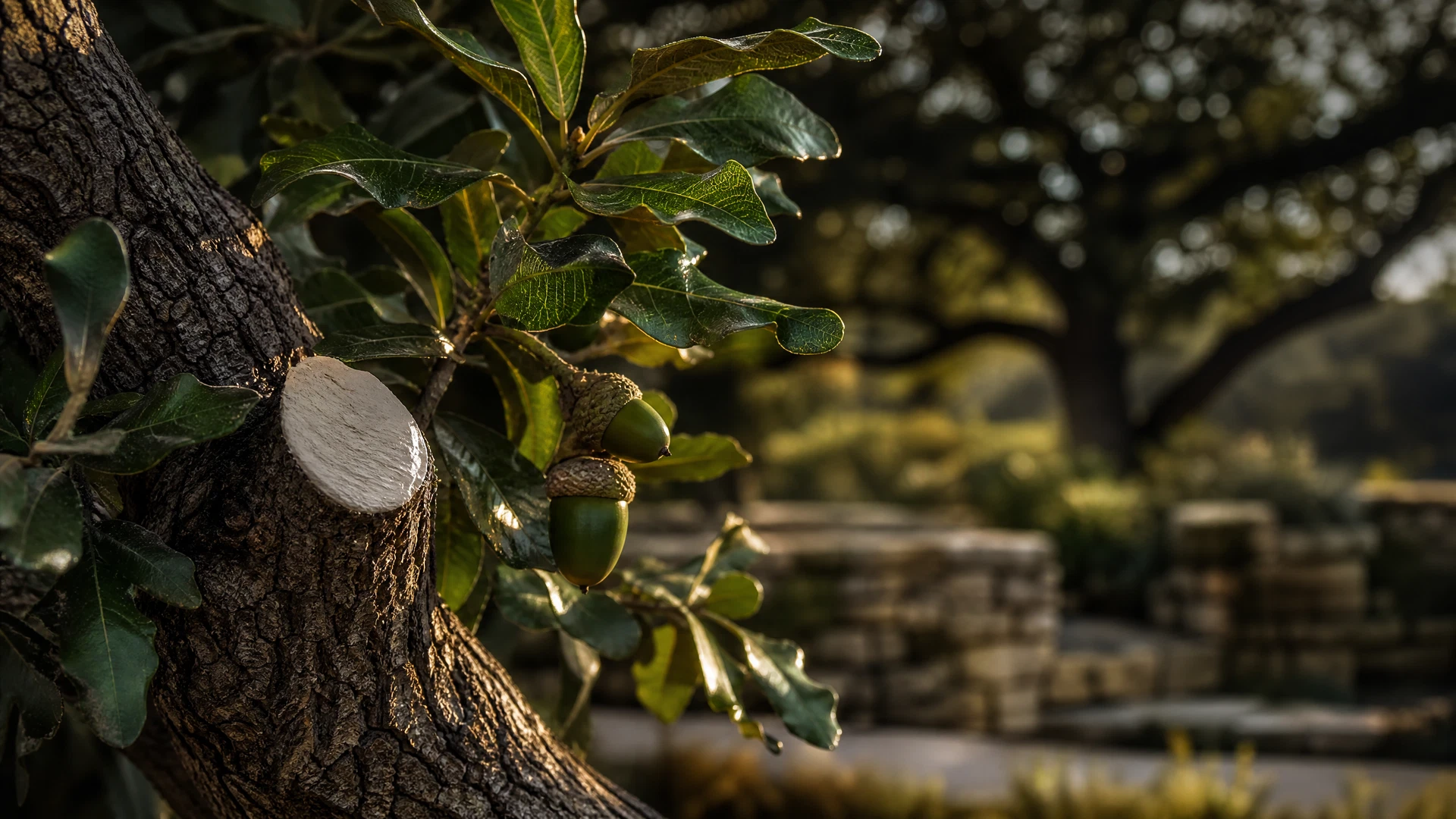
We provide six services tailored to the neighborhood’s realities: selective crown pruning and shaping, hazard tree assessment and removal, stump grinding and site restoration, utility-line coordination and clearance, trail and drainage corridor vegetation management, and storm/emergency response and debris removal. Those services link together — for example, removing a hazard tree often leads to stump grinding so a trail corridor remains clear and safe.
We do not claim to diagnose complex diseases from photos. When a disease or insect issue appears outside routine maintenance, we describe visible symptoms and refer to a plant health specialist or municipal resource. Likewise, oak-wilt is managed here in the context of pruning practice, recognition, removal/disposal, and referral only — we do not offer chemical disease work or root-trenching treatments.
03
Typical job sequence: how we work on compact Wells Branch properties
First, we do a site visit to walk the property and neighbors’ visible exposures, map access points and utility lines, and discuss priorities. We document branches that affect roofs, fences, and shared corridors and identify trees that are leaning, decayed, or endangering structures. From that visit you’ll get an itemized plan and scope drivers so you can compare options.
Second, after you approve the plan and request a written quote we schedule the work. Before cutting we confirm access (gates, side-yard clearances, and parking) and any permit needs. On site, crews perform the scope in stages: access rigging and fall zones, selective pruning or sectional removal, and finally stump grinding and cleanup. We haul or chip debris to a location you choose, or leave wood for firewood or chips for mulch.
Property note
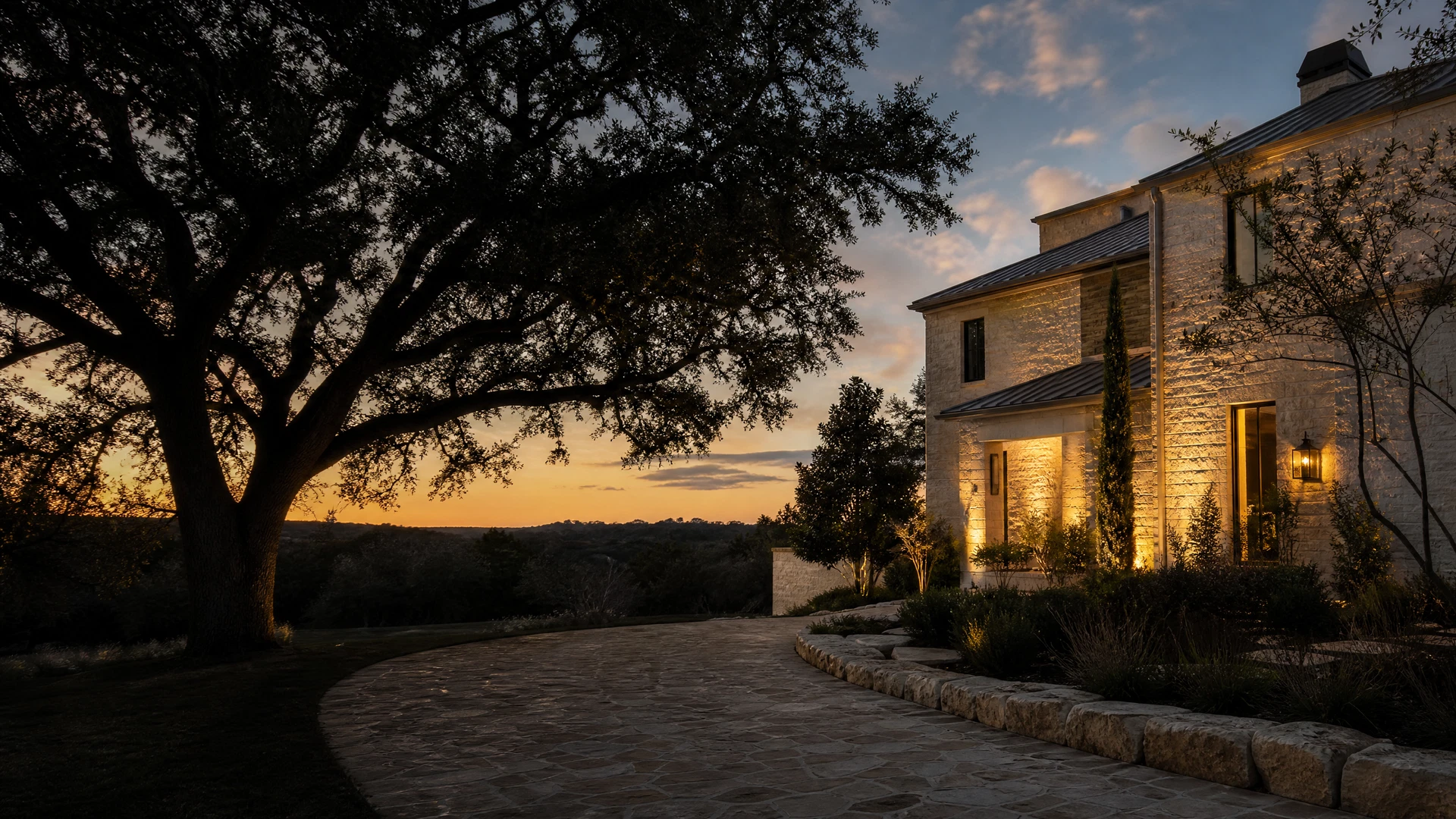
The property in context
Local ground, growth, access, nearby structures, and municipal context can shape the work. The address is where the practical plan becomes clear.
From the property owner
“Excellent service. Great communications, skills and professionalism! Stuck to the quoted price and cleaned up afterwards. Will use again!”
04
Cost drivers and decision boundaries for Wells Branch properties
Costs in Wells Branch hinge on five things: the complexity of access (narrow gates, backyard-only access, or the need to lift pieces over homes), the size and height of the tree, proximity to roofs/utilities/fences, the amount of cleanup and hauling required, and permitting or vegetation-management rules for shared corridors. A small pruning job with a clear driveway looks very different from removing a large oak whose pieces must be lowered by crane or winch.
Decisions about pruning versus removal balance risk, long-term health, and neighborhood impact. We explain when selective pruning reduces immediate risk and preserves shade, when staged removal is the safer option, and when a tree is a candidate for long-term monitoring instead of immediate work. Confirm current permitting rules for your exact address before scheduling; local code or HOA requirements can change and affect the project scope.
05
Safety, utilities, and access constraints the crew manages
Work near energized lines belongs with the utility — we do not perform live-line work. If limbs are entangled with utility lines we coordinate with the utility and schedule cutting only after they clear or de-energize the span. For fence- and roof-adjacent trees, we set controlled fall zones, rig limbs and lower them to avoid collateral damage, and use minimal-impact techniques to protect fencing and structures.
Limited access on compact lots often requires specialty rigging, hand-lowering, or section cutting instead of large machinery. Where trails or drainage corridors are adjacent we follow municipal or watershed guidelines and can provide concentrated corridor clearing without wholesale vegetation removal. We always flag boundaries and talk through where chips and logs will be placed so neighbors are not surprised.
06
Central Texas timing and tree-care guidance for homeowners
In Central Texas timing matters. Spring flushes and summer storms accelerate leaf and limb growth, and the region’s oaks and other native species have specific seasonal responses to pruning. For most species we recommend late winter or early spring for routine structural pruning because wounds will dry sooner, but the right timing depends on the species and the goal. If you suspect oak-wilt pressure, avoid pruning oaks at high-risk times and ask for a referral to a specialist; we can explain prevention-minded pruning practices.
Storm season increases calls for emergency cleanups. We’ll discuss staged approaches: prioritize hazards that threaten life or structures first, then move to secondary cleanup and restoration. If you want to preserve shade and character on your lot, plan selective maintenance on a multi-year schedule rather than removing large portions of canopy at once.
Where this work happens
Where this work happens in the Austin area
Considered answers
Straight answers about Wells Branch
How close to my roof, fence, or deck can you safely prune or remove tree limbs?
We evaluate the clearances and condition on site. For pruning, we use controlled rigging and hand-lowering to avoid damage when limbs are over structures. For removals where the trunk or large limbs sit very near a roof or fence, we often work in sections, lowering pieces by rope or with mechanical assistance to protect surfaces. If access is too tight for safe hand-lowering we’ll discuss alternatives or staged removal to reduce risk.
Do I need a permit or HOA approval for tree work in Wells Branch?
Permit and HOA rules vary by address and by the corridor involved (private lot versus city or watershed easement). Confirm current requirements for your property before scheduling. We will help identify likely permits during the site visit but homeowners should verify with the city or their HOA because local rules and processes change.
Can you work on trees that have branches in the power lines?
If branches are touching or tangled in energized lines, the utility must handle or de-energize the line first. We coordinate with the utility to schedule safe removal when a line is involved, but we do not perform live-line work. For non-energized clearance near lines we plan cuts to maintain safe clearances and reduce future encroachment.
What influences the cost of a removal or pruning job in Wells Branch?
Major scope drivers are access (narrow gates, backyard-only entry), tree size and height, proximity to structures and utilities, required rigging or machinery, cleanup and hauling needs, and whether permits or special corridor work are required. We won’t estimate accurately without a site visit because two properties with the same species can have very different access and risk profiles.
Private assessment
Begin with the property.
Tell us where the tree stands, what changed, and what it could reach. We will clarify the next step before work begins.
For urgent work, call (512) 387-2671