
Manor, TX Tree Service
Tree care for Manor properties.
Work for young subdivisions and rural-edge properties — pruning for new canopy, managing older pecans, elm and oak challenges, and handling fence-line removals while checking city and county rules.
Manor / local guide
A property guide for manor / local guide frames the questions that shape access, protection, timing, and the intended finish before a written scope.
01
Local conditions that change the work
Manor sits on Blackland prairie soils with a wide clay shrink–swell range and frequent open-wind exposure on lots along the I‑35 corridor. Those two factors combine to make pruning, planting and removals different than work in looser, sandier soils. Trees commonly show root plate heaving, shallow root systems and stress from soil compaction on new subdivisions; older pecans, elms and oaks along rural edges often have deeper, older root systems but are more vulnerable to windthrow when soil dries and cracks.
We size up every job with those site traits in mind. Work that would be straightforward in a leafy neighborhood can require extra rigging, deeper stump grinding, or different planting details in Manor. Long fence lines and rural neighbor boundaries also change access and disposal logistics — we plan for that and point out where you’ll need to confirm permits or neighbor approvals before we start.
02
Pruning and maintenance for young canopy and legacy trees
For young planted canopy we focus on structural pruning: removing competing leaders, reducing heavy scaffold branches and spacing lateral branches so future storm loads are lower. That work is done with an eye toward future tree health and minimal repeat intervention. For established pecans, elms and oaks the work shifts to crown reduction, deadwood removal and correcting defects such as included bark or co-dominant stems that are common in older trees.
Timing and technique matter in Manor because of oak health concerns and active insect seasons. We follow pruning practices that reduce risk — for oaks that means restricting major cuts during high-risk periods and arranging safe disposal of removed material. We don’t diagnose disease from photos; if you suspect a health issue we’ll recommend an on-site assessment and, when necessary, refer to local specialists for testing or diagnostic guidance and referral options outside our scope.
03
When removal is the safer, more cost-effective choice
Removal becomes the recommended option when a tree has an irreparable structural defect, root failure tied to expansive clay, or when its position threatens structures, driveways or long fence lines. Cost drivers for removal in Manor are clear: trunk diameter, proximity to buildings or fences, slope and access, presence of long fence lines, and the need to protect adjacent yards. Open-wind exposure often means tall trees must be sectioned carefully rather than dropped, which increases labor and rigging scope.
Another common cost factor is jurisdictional requirements. Some parts of a property may fall inside city limits, others in county jurisdiction; both can carry different permit rules. We check with you and with local authorities before work begins, but you should confirm current requirements for your address. Work near energized lines belongs with the utility — we will stop and coordinate if any tree has material close to live conductors.
Property note
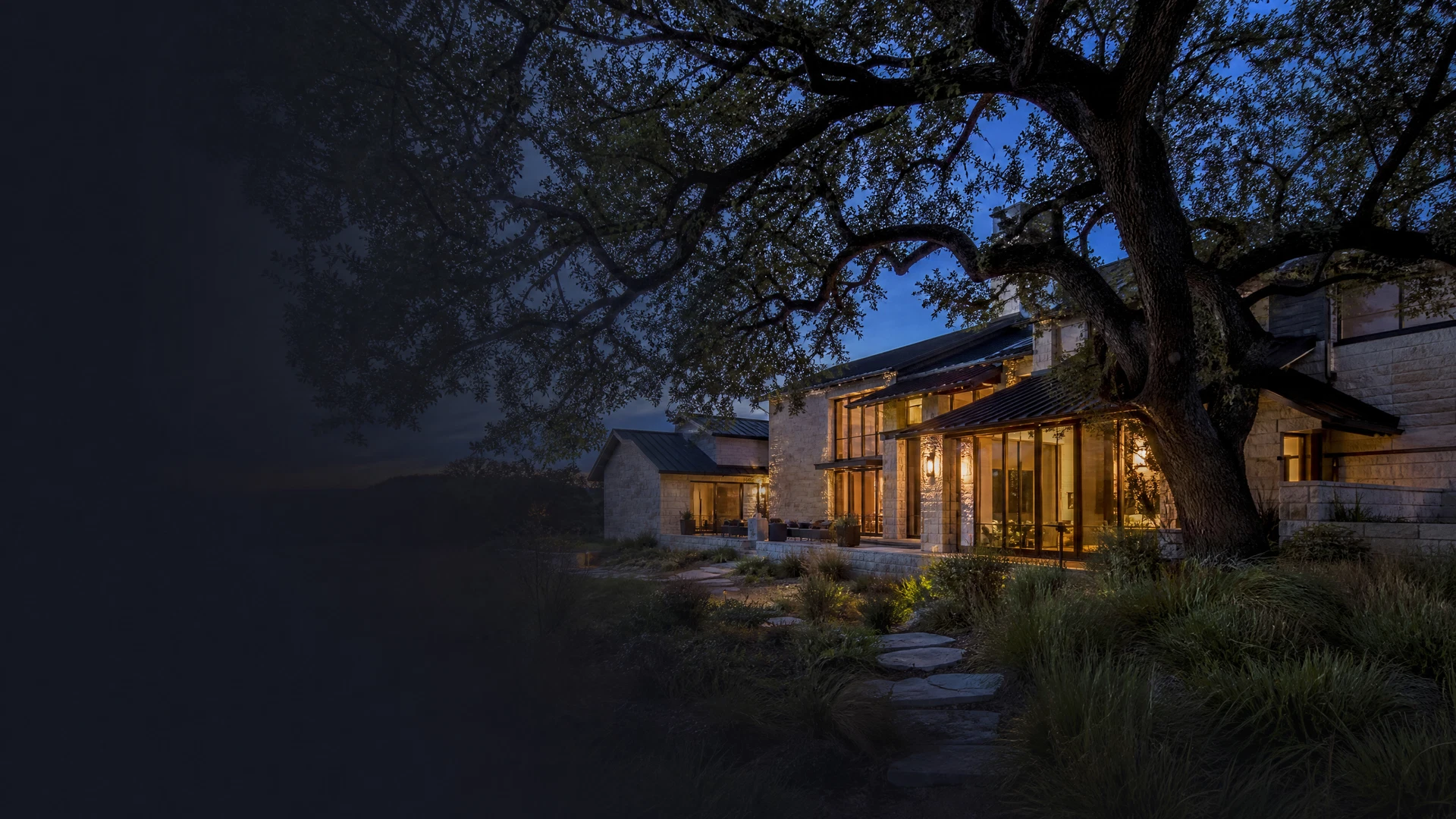
The property in context
Local ground, growth, access, nearby structures, and municipal context can shape the work. The address is where the practical plan becomes clear.
04
Stump grinding, roots and clay movement
Blackland prairie clay moves seasonally; that affects roots and stumps. A stump left at or near grade may heave, re-sprout, or trap water against fence posts. Stump grinding depth is often determined by future use of the area: garden beds, new plantings, or regrading. Grinding deeper around fence posts or near long fences can protect the line post integrity, but it takes more machine time and therefore raises cost.
Roots can also create trip hazards and lift sidewalks or driveways. Full root removal is rarely practical; instead we target the root collar and major roots that interfere with structures. If a lot shows signs of subsidence or repetitive cracking, we’ll call that out during our on-site assessment and describe tradeoffs — from leaving a larger stump and replanting elsewhere to more extensive excavation and regrading, which is a separate scope from routine stump grinding.
05
Storm damage and emergency response
Manor’s open lots and rural edges expose trees to wind events that snap tops and tear limbs. For storm-damaged trees the immediate priorities are life-safety, stabilizing hazards, and preventing further property damage. Our crews secure the site, isolate the hazard and, when safe, remove dangling limbs or unstable sections. If there’s any possibility the tree or debris contacts energized lines, we will stop work and advise contacting the utility — work near energized lines belongs with the utility and must be handled by them.
Emergency work scope more because it requires rapid mobilization, sometimes special equipment for unstable trees, and additional labor to make the site safe. We can explain what’s urgent versus what can wait for a planned removal or repair and will provide a clear written scope and estimate for the next steps.
06
Planting, property lines and permit coordination
Good planting decisions in Manor begin with species selection that tolerates heavy clay, intermittent drought and wind. Native-adapted oaks, certain elms and drought-tolerant understory species do better than shallow-rooted ornamentals. We’ll discuss spacing from fence lines, utilities and long-term canopy goals so you avoid repeated pruning later. When trees are along fence lines, we walk the boundary with you to clarify ownership and access needs before work is scheduled.
Permit and neighbor coordination is part of the job when long fence lines or property-line trees are involved. City and county jurisdictions can impose different rules about removals or protected trees; confirm requirements for your address and we’ll assist by locating likely permitting points and including any permit work in your estimate. If neighbors disagree about a shared tree, we’ll document our recommendations and suggest next steps, but legal disputes over ownership should be settled between property owners or with professional legal advice.
Where this work happens
Where this work happens in the Austin area
Considered answers
Straight answers about Manor
Do I need a permit to remove a tree in Manor?
Permit requirements vary by parcel and by jurisdiction. Parts of a property can be inside city limits while other parts are county jurisdiction; each may have different rules about protected trees, replacement requirements and removal notifications. We’ll flag likely permitting needs during our on-site assessment, but you should confirm current requirements for your address with the local permitting office before work begins.
When is the right time to prune oaks to reduce oak‑wilt risk?
To reduce risk to oaks, avoid major pruning during the high-risk sap-flow and vector-activity periods common in Central Texas. Best timing varies by species and year, so we advise pruning larger oak cuts in the cooler dormant window when possible. We do not offer chemical disease work; if you’re worried about oak-wilt, we’ll recommend a referral to a specialist and follow disposal practices that lessen transmission risk.
Who is responsible for a tree on the property line?
Responsibility often depends on where the trunk sits relative to the property line and on local law. Neighbors commonly share concerns on long fence lines; before any work that affects a shared tree it’s wise to confirm the property survey and talk with your neighbor. We’ll document the tree’s condition and provide options in writing, but we don’t resolve legal ownership disputes — those must be settled between owners or through legal channels.
Why is my tree leaning after a dry summer or heavy rain?
On Blackland prairie clay, heavy wet periods and deep summer drying both change soil support. Clay expands and contracts, which can loosen root anchors or cause differential settlement, and prolonged wet soil can reduce root oxygen and stability. A leaning tree may need a hands-on inspection to decide between corrective pruning, cabling, or removal — we’ll assess root condition and recommend the safest, most cost-effective option.
Private assessment
Begin with the property.
Tell us where the tree stands, what changed, and what it could reach. We will clarify the next step before work begins.
For urgent work, call (512) 387-2671